
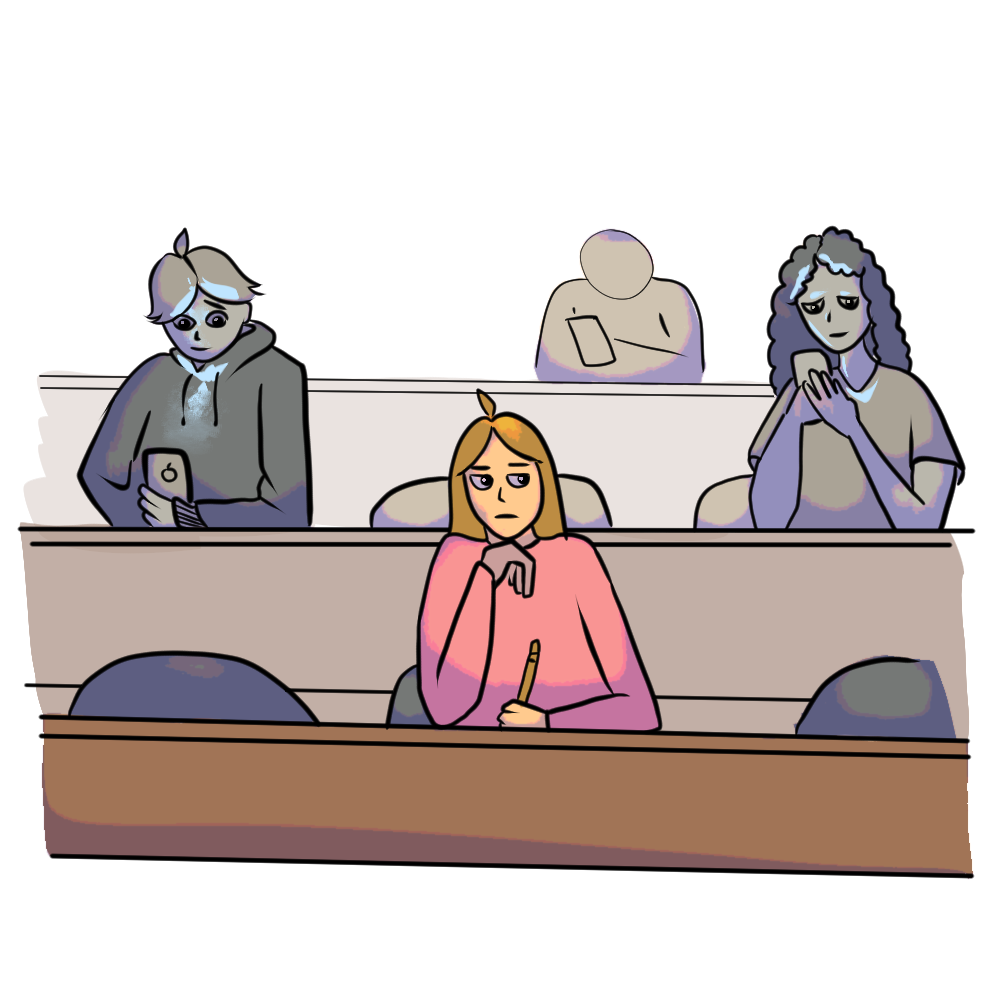
The more complex an invention, the more we assume it took a mountain of time, effort, and strategy to build. The greater its impact on the world, the more resources we assume were poured into it. And the more radical the idea, the more intentional we believe its creation must have been. Most of the time, we would be right. But surprisingly often, we would be dead wrong.
The programming language Python was created because Guido van Rossum needed a holiday project to stave off Christmas boredom. Calculus was born because Sir Isaac Newton was stuck in quarantine for 18 months with nothing better to do. Penicillin came from a messy desk and an unwashed petri dish. What if boredom was not a problem we needed to solve, but a condition we needed to protect?
This is not a plea to adjust our digital diets or be less productive, but it does examine something: our collective fear of stillness. We have become remarkably good at eliminating boredom. Waiting for a friend? Scroll. Sitting in a queue? Scroll. Walking somewhere? Put your headphones in. We have built an entire ecosystem around making sure that we are never left alone with an empty five minutes.
Partly, it is because boredom has always had a terrible reputation. It is usually an insult – the label we attach to a friend we stopped hanging out with, the complaint about “having nothing to do”, or the feeling that makes us reach for our phones when a moment stretches beyond our comfort zone. Our days are so densely packed that even our downtime has become productive. We listen to podcasts while walking, watch Netflix while eating, revise with music playing in the background, and scroll before bed. We have somehow turned doing nothing into something we need to feel guilty about.
Being efficient and on a quest for self-improvement is great. Discovering your purpose is even greater. Do not be discouraged. But not every single second of your existence needs to be geared toward self-improvement or “life-maxxing”. Boredom deserves a complete rebrand. It is not a failure to thrive – it is stillness. It is a breather. More importantly, it is not a breather you need to justify, nor is it a pause button you need to optimise so you can return to work 10% more effective. A break is just a break. When there is nothing immediately available to entertain us, the mind wanders. It makes connections. It notices things. It revisits conversations, invents scenarios, and occasionally comes up with an idea that would never have surfaced if we were busy consuming something else.
Of course, not every bored moment is going to produce the next Python or penicillin. Most will probably produce an unnecessarily detailed fantasy about what you would do if you won the lottery. And that is okay. We have become so obsessed with productivity that even doing nothing seems to require a justification. If boredom leads to a brilliant idea, suddenly, it is valuable. If it leads nowhere, we call it wasted time. But not everything has to lead somewhere.
Taking the long way home without listening to anything is not an inefficiency. Waiting for your coffee does not need to become an opportunity to watch a self-improvement reel. Maybe a few minutes of absolutely nothing can simply be nothing. We cannot and should not romanticise boredom. It can be uncomfortable, inconvenient, and, occasionally, incredibly dull. But perhaps, that is exactly why we need it.
The answer is not deleting every social media app or swearing off your podcasts. Maybe it is simply becoming a little more comfortable with the empty moments. Because at the end of the day, doing absolutely nothing is severely underrated. And if we never allow ourselves to be bored, we will never find out what our minds can do when no one else is telling them what to think.

Visual: Gabriella le Roux
