
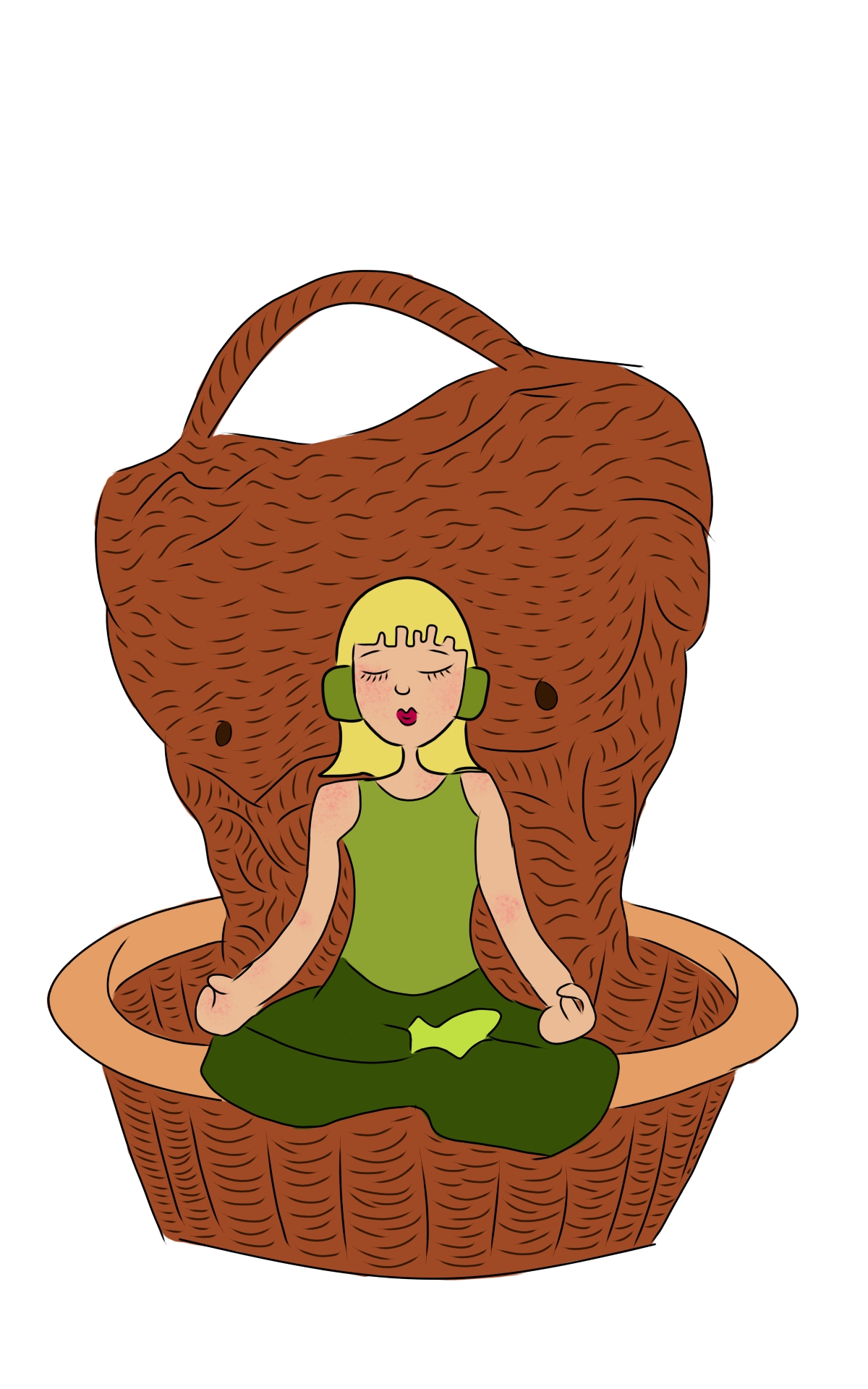
Ever wanted a husband made of wicker? Watched Wicked: For Good and thought, “smash,” when Fiyero became the Scarecrow? If so, you are certainly not alone.
The internet has developed a growing fascination with fictional men who are not quite human. From vampires and werewolves to magical husbands and even wild animals, women are increasingly joking about choosing fantasy creatures over actual men. What sounds like a strange internet trend may reveal something more serious about how women perceive modern masculinity.
The upcoming film Wicker, starring Olivia Colman, provides an entertaining example of this phenomenon. Based on Ursula Wills-Jones’s short story The Wicker Husband, the film follows an ostracised fisherwoman who commissions a husband made entirely from wicker. When her creation comes to life, their relationship challenges the expectations of the conservative village around them.
At first glance, the premise sounds ridiculous. A woman ordering a husband from a basketmaker is hardly conventional romance. Yet the trailer has sparked online fascination, partly because the wicker husband represents something many women find appealing in fantasy: a partner created specifically for them. There is something revealing about choosing a fictional creature over a real man. A magical wicker husband cannot arrive with years of emotional baggage disguised as personality. He cannot weaponize incompetence, send mixed signals or expect someone else to manage his emotional needs. He is literally made to be a partner.
This fantasy is not necessarily about finding the perfect man. It may instead reflect exhaustion with the emotional labour and uncertainty that can accompany modern relationships.
This becomes clearer when considering the viral “man or bear” debate. In 2024, women were asked whether they would rather be alone in a forest with a random man or a bear. Many chose the bear, sparking widespread discussion and outrage online.
The question was never really about believing bears are harmless. It was about the predictability of danger. A bear is dangerous, but its behaviour is relatively straightforward. A woman encountering one knows what she is dealing with. A strange man, however, may appear friendly while presenting an entirely different kind of threat. The anger directed at women for choosing the bear arguably proved the point. Rather than asking why women might feel unsafe around men, some men responded by insisting that women were irrational. Others focused on explaining why bears are dangerous, missing the larger conversation about trust, safety and women’s experiences.
This is where Wicker becomes more interesting than its unusual premise suggests.
The wicker husband represents an alternative to traditional masculinity. He is physically unusual and fundamentally different from the men around him. Yet his difference becomes part of his appeal. The relationship exists outside the expectations of the village and traditional romance. This may also explain the continued popularity of supernatural love interests. Fictional creatures allow audiences to explore relationships without accepting the limitations often placed on real-world masculinity. The monster may be dangerous, but at least the audience knows what he is.
Of course, wicker husbands and bears have their own problems. A wicker man could catch fire. A bear could kill you. Fictional romance is not necessarily better than real life.
But that is not really the point.
The popularity of these alternatives reveals something about women’s frustrations with romance and masculinity. Women may not actually want bears or magical husbands. They may simply be asking why relationships with real men so often feel more exhausting than they should.
Perhaps the real fantasy is not finding the perfect man. Perhaps it is finding someone who feels safe, predictable and worth the effort.
Even if that someone happens to be made of wicker.
Visual: Mpho Makwela
