
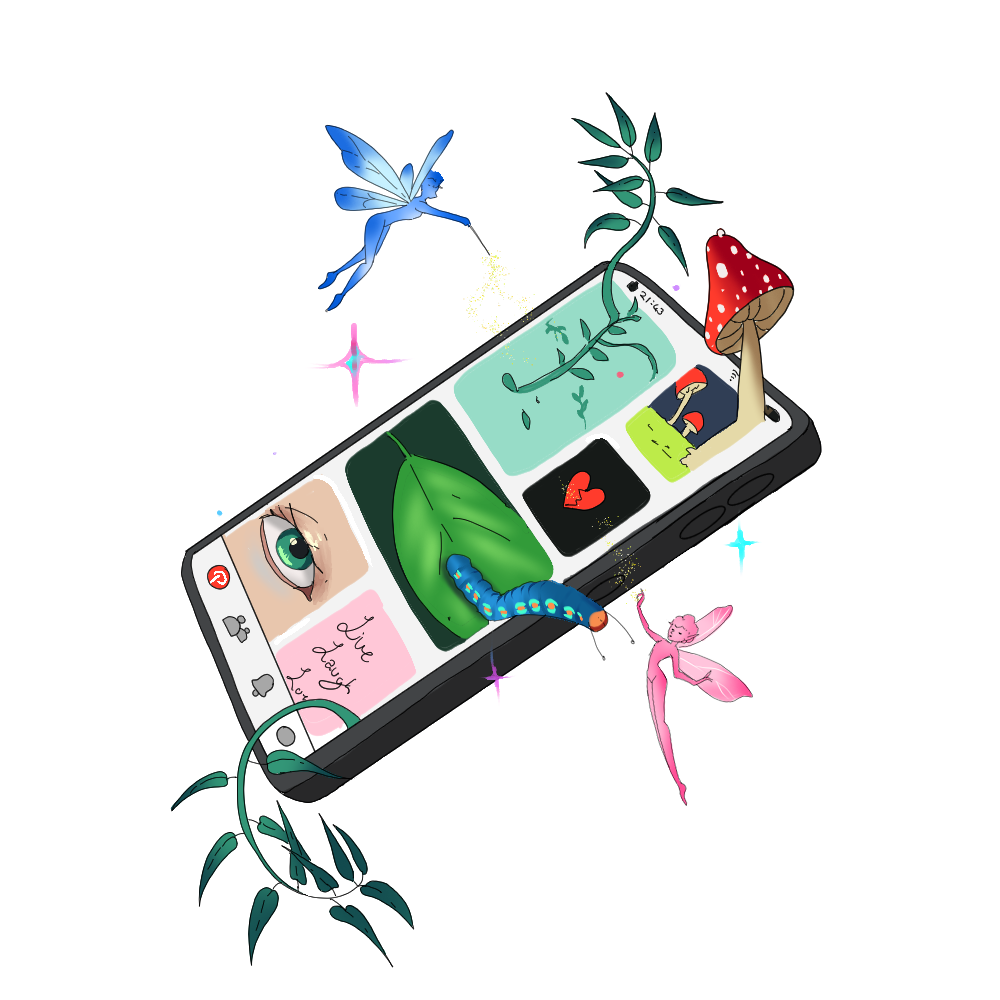
More than halfway through the decade, the 2020s have seen their fair share of aesthetic trends. The year 2020 kicked off with a global lockdown. Confined to singular, isolated spaces, the youth took to the 1990s: bright colours and animal print. Neon lights in every bedroom with cow-print bags and furniture. The songs trending on TikTok had lively beats that inspired energetic dances.
By 2021 and 2022, the nostalgic entrance of Y2K had us embracing a time we were too young to enjoy. Baby tees, low-rise jeans, and metallic silver motifs that transported us back to an optimistic, pre-social media millennium. In 2023 and 2024 – a time when the economy was slowly repairing itself – old money ironically took over the scene. We traded bright colours for corporate-golf-club minimalism and every shade of grey and beige. Now, 2026 has decided to bring back “whimsy”: something where eccentric and youthful clothing and playful, mismatched furniture take reign.
However, these aesthetics are far more than just curated outfits or superficial trends. They actively shape how we live, how we decorate our homes, and the very nature of our conversations. When “old money” was the blueprint, the conversations were about quiet luxury and ways to attain success simply because, as they say, money whispers.
Today, as we aspire towards whimsy, we value spontaneity and doing things “just for the heck of it”. We might add a playful pink brooch onto our stiff, monochromatic outfit for a corporate internship to add some whimsy and to inject joy into our everyday lives.
Attached to each aesthetic era is a million and one micro trends – from jorts and sequins to oversized suits. They are all linked by a common thread: the past. As fast as we are going through them, it seems that we have abandoned the twenty-year rule of nostalgia. Instead, we find joy in whatever decade we collectively decide to relive.
Ultimately, Gen Z and millennials seem to be looking backward for inspiration. Backward seems happier. Like every generation before us, we find ourselves longing for “simpler times”. Perhaps we have abandoned the twenty-year rule of nostalgia because we can no longer afford to wait for history to catch up. In times like these, the present simply looks better through “past-coloured glasses”.
Visual: Gabriella-le-Roux
