
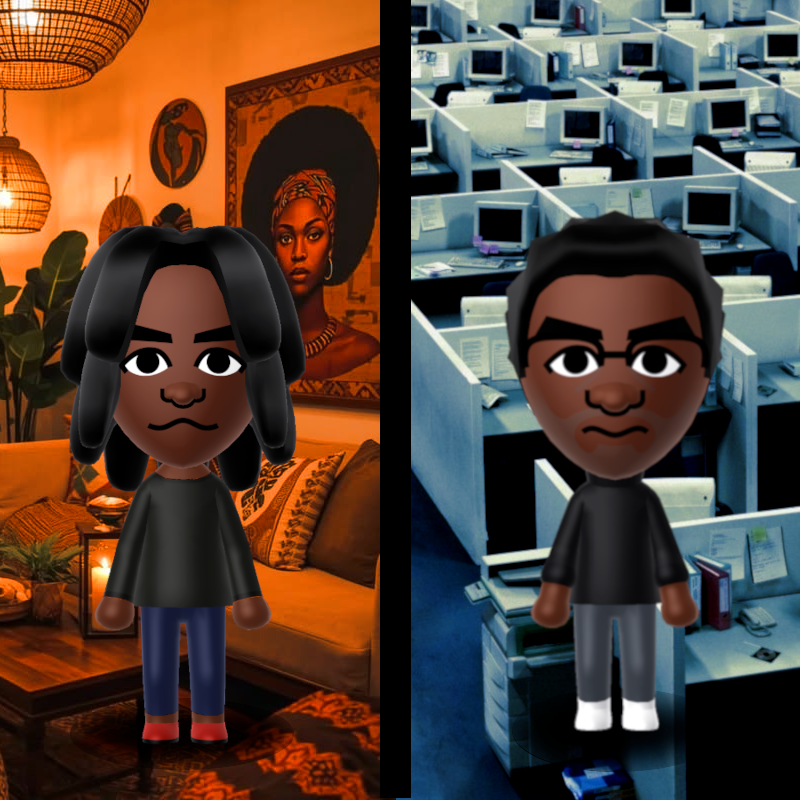
“Nothing from my side…” is a comment familiar to most meetings. However, is it received as just simple satisfaction or a sign of disinterest? What if I said that this dilemma begins with a cultural mismatch?
One of the most beautiful aspects of South African culture is how deeply embedded respect is. Respect goes beyond being a common value – it is a part of who we are. From asking permission before sitting next to a stranger or using familial or honourific titles for any older people in public, even someone you have never met, like “Uncle” or “Gogo”, it is how we are raised. This very foundation fosters humility.
However, being respectful in African culture can also include listening quietly and not challenging a person in authority. A direct parallel… a mismatch to corporate culture where value is not solely tied to work ethic but also to speaking up and taking initiative. Thus, anything opposite from this, like quiet deference, may be perceived as a lack of critical thinking or ambition. It is a culture centred around professional relationships and daring ambition that may require a practice coined as cultural code-switching.
In The Psychological Challenges of Adapting Behavior in Foreign Cultural Interaction, Molinsky defines cultural code-switching as the act of deliberately adjusting one’s behaviour in a foreign setting to accommodate different cultural norms of appropriateness. “Foreign” in this context means the office: a space where you have to learn how to hold eye contact, interrupt, and self-promote in a way much more daring than you are familiar with.
In a study by James Lappeman and others titled Investigating the Experiences of Cultural Code-Switching Among Black Middle-Class Professionals in South Africa, female participant with fifteen years of corporate experience is quoted saying, “As black South Africans, we are raised to not look at our elders in the eyes, since it is a sign of disrespect.” She contrasted this statement with how her white peers’ intrinsic confidence allowed them to freely engage with managers. This highlights a very common contrast: two employees, equally capable, read completely differently in the same room.
Instinctively, the solution you might be thinking of is to change yourself, hold eye contact, and sound more assertive. Both are correct, but they may require a deeper, self-reflective look. A cultural norm is not always a personal deficiency. Maybe there is room for development on both sides, where even quiet listening can be a form of active engagement.

Visual: Daniel Green
