
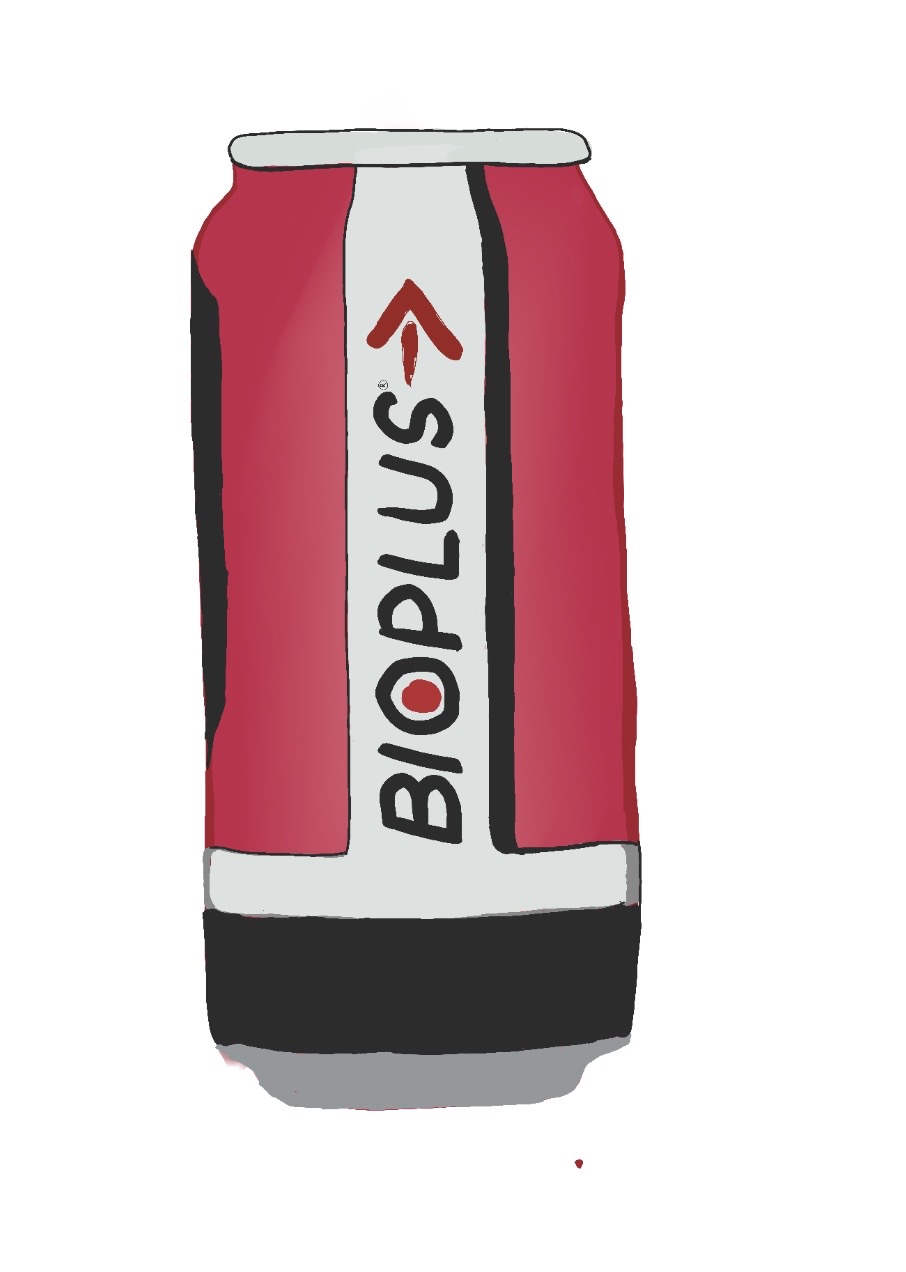
Has modern-day academia shifted the paradigm of what is required to get the work done? Older generations seem to be constantly confused by the “sudden need” to buy a can (or two) of Redbull before a study session. They cite how all they needed was a glass of water and a brisk walk, maybe even a cup of coffee on a rough day. The question here is why? Why do the younger generations rely on additional caffeine, and is this reliance potentially causing more harm than good?
Each day begins with an iced latte, an energy drink for a library study session, and a Bioplus or energy supplement of choice to get through an all-nighter. This routine especially applies during test week or exam season. Caffeine has cemented itself in campus culture, but this has not always been the case.
The shift may lie in the added pressure students have to endure. Today’s students grapple with a higher unemployment rate and thus a highly competitive job market. The first Quarterly Labour Force Survey of 2026 reported that young people between the ages of 15 and 24 face an unemployment rate of 60.9%. This comes with the pressure to be excellent, regardless of the uncertainty, combined with a heavier academic lifestyle compared to earlier generations. The lines separating academics from students’ lives have become increasingly blurred, with digital integration that leaves room for midnight submissions and constantly active group chats that maintain a continuous cognitive load. In order for students to keep up, a glass of water may not cut it anymore.
However, students relying on caffeine to study and optimise productivity are not in a shared state of delusion. The stuff works, and assignments ultimately get done. A study titled Case report on energy drink consumption among Health Sciences University students in Gauteng Province, South Africa found that 31% of its students consume energy drinks to stay awake, while 14% use them to be alert and 15% use them to help their concentration. Caffeine is being used as a tool to deal with the workload that students face, and some might say that it has earned its place in the campus ecosystem. Despite this, over-reliance should still be avoided.
Caffeine does not just give people energy. Instead, it blocks a chemical called adenosine, which tells the brain when it is time to sleep. This means that the body is still tired even if you cannot feel it. The alertness and temporarily-improved attention are useful, but drinking caffeine in excess makes the body go beyond motivation and focus. Instead, this translates into anxiety and an overstimulated brain, ultimately leading to confusion.
Caffeine is more of a hero when it is consumed in small, strategic doses. Stopping caffeine intake six hours before you go to bed gives it time to wear off. Alternatively, keep your daily caffeine intake to a maximum of 200 milligrams, which is equivalent to around 2 cups of coffee.
Ultimately, the goal is not to get rid of every Bioplus on the shelf. Rather, it is important to consume caffeine in moderation and find healthier ways to thrive in modern-day academia.
Visual: Alyx Bell
