
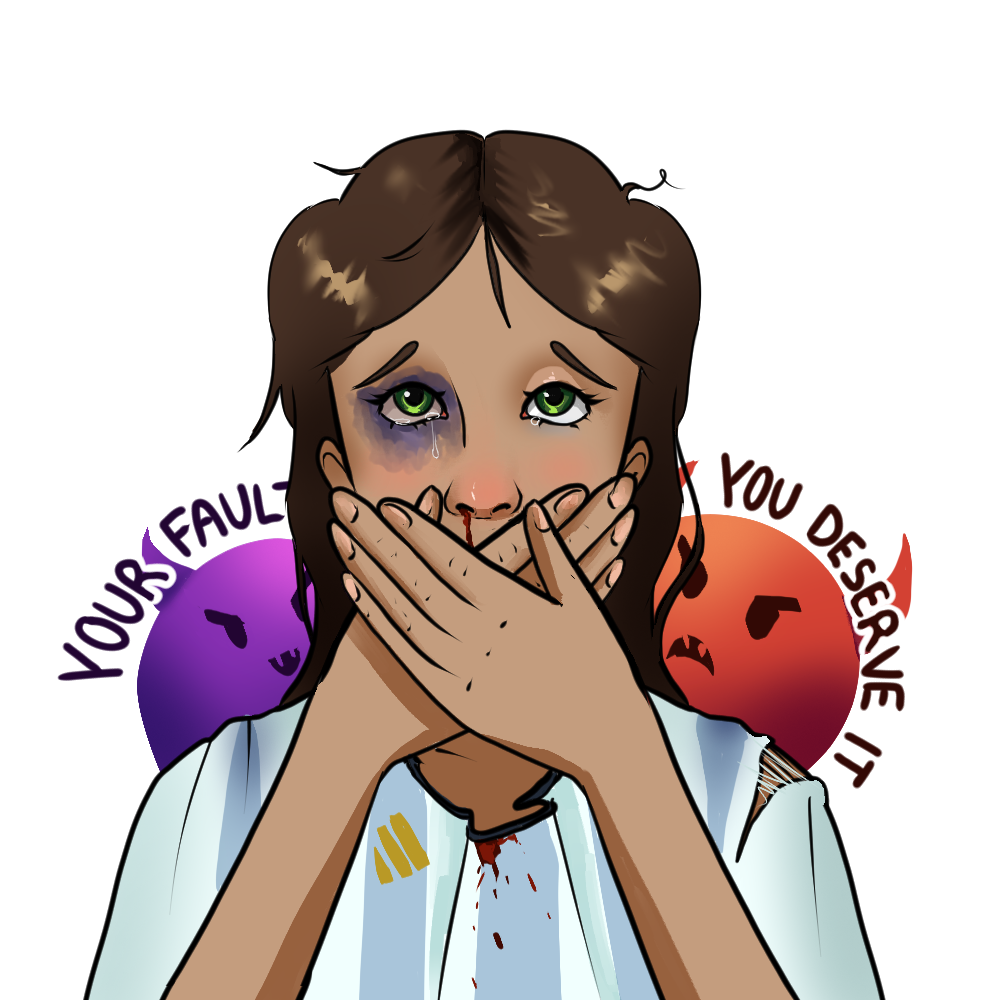
We often think of guilt as a feeling that follows after doing something wrong. It is how responsibility is commonly understood. There are some times when responsibility shifts from the perpetrator to the person who endured it. Sexual assault has a way of distorting that understanding.
Under South African Law in the Sexual Offences and Related Matters Act, sexual assault is the intentional touching, violating, or forcing of another person to engage in sexual acts or witness sexual activities without their consent. It is a violation of bodily autonomy. Consent is not the absence of resistance, nor is it silence, fear, or submission. It is a free, informed, and ongoing agreement that can be withdrawn at any moment. Without it, responsibility rests entirely with the person who chooses to proceed regardless.
This principle sits at the heart of the University of Pretoria’s #DontBeARedFlag campaign, which encourages students to recognise attitudes and behaviours that contribute to gender-based violence while promoting a culture built on respect, accountability, and consent. Conversations about prevention are essential. Equally important are conversations about what happens after sexual assault, particularly the emotional consequences that many survivors carry long after the event itself. One of the most common, and least understood, is survivor’s guilt. A population study of trauma-related shame and guilt after violence and sexual abuse conducted in 2016 by Helene Aakvaag shows that 40% of survivors experience overwhelming guilt despite having no control over the situation. Somewhere between what they know intellectually and what they feel emotionally, responsibility shifts from the person who committed the assault to the person who endured it.
Part of this lies in how people make sense of trauma. Faced with an experience that feels chaotic and deeply unfair, the mind often searches for something that could have been controlled. The same study by Aakvaag shows that 64.5% of people believe that they could have done something different to prevent the abuse from happening. Believing that different decisions might have prevented the assault can create the illusion that the situation was somehow manageable. Accepting that another person consciously chose to violate someone else’s autonomy is often far more difficult to process.
As a result, many survivors find themselves asking impossible questions. “Why did I go?” “Why did I trust them?” “Why didn’t I leave sooner?” “Why didn’t I fight harder?” These questions are not evidence of responsibility; they are evidence of trauma. They focus on the survivor’s actions instead of the perpetrator’s decision to ignore consent. Sexual assault remains one of the few crimes where survivors are routinely encouraged to scrutinise their own behaviour before the perpetrator’s actions are examined. Questions about what someone was wearing, whether they had been drinking, why they stayed, why they froze, or why they trusted the other person all stem from the same misconception: that vulnerability somehow creates responsibility. It does not. Being vulnerable simply means being human. The decision to trust another person should never be interpreted as consenting to violence. In reality, the only decision that caused the assault was the perpetrator’s decision to ignore another person’s autonomy.
This misplaced guilt can also become one of the greatest barriers to seeking help. According to the Campus Sexual Assault Study, 87% of sexual assault survivors do not report the crime to authorities. Researchers have found many reasons why victims do not report their accounts. Some survivors remain silent because they worry about what may happen to the person who harmed them. Others fear they will not be believed, worry about disrupting friendships or social circles, or convince themselves that speaking up will ruin another person’s future. Accountability, however, does not begin when someone tells the truth. It begins when a perpetrator chooses to violate another person’s consent. Speaking about assault does not create responsibility; it acknowledges where responsibility has always belonged.
The prevalence of sexual violence highlights why these conversations remain so important. According to the World Health Organisation, nearly one in three women worldwide experience physical and/or sexual violence during their lifetime. In South Africa, the South African Police Service recorded more than 42 500 reported cases of rape during the 2024/2025 financial year, averaging more than 116 reported cases of rape every day. Sexual assault remains significantly underreported, with many choosing not to report because they fear that they will not be believed or that they will be retaliated against. They might know the perpetrator personally or simply cannot bear reliving the trauma. Research consistently shows that most survivors know the person who assaulted them, challenging the misconception that strangers primarily commit sexual violence. Behind every statistic is a person trying to reconcile what happened with who they are while carrying a burden that should never have been theirs to bear.
For university students, the effects often extend beyond the immediate trauma. Sexual assault can affect concentration, academic performance, attendance, relationships, and overall wellbeing. Feelings of guilt and self-blame may make it even harder to seek support, reinforcing the false belief that responsibility lies anywhere other than with the perpetrator.
The University of Pretoria does have support available. The Student Counselling Unit offers confidential psychological support to students affected by trauma. The university’s Transformation Office provides mechanisms to report sexual harassment and gender-based violence involving members of the university community. The Department of Security Services can also provide immediate assistance and referrals where necessary. Beyond campus, organisations such as the TEARS Foundation, Lifeline South Africa, the Thuthuzela Care Centres, and the South African Depression and Anxiety Group (SADAG) offer counselling, medical referrals, legal guidance, and crisis support. Reaching out for support is not about having all the answers or knowing exactly what to do next. It is about recognising that healing does not have to happen alone.
Your future still belongs to you. The guilt never did.

Visual: Gabriella le Roux
