
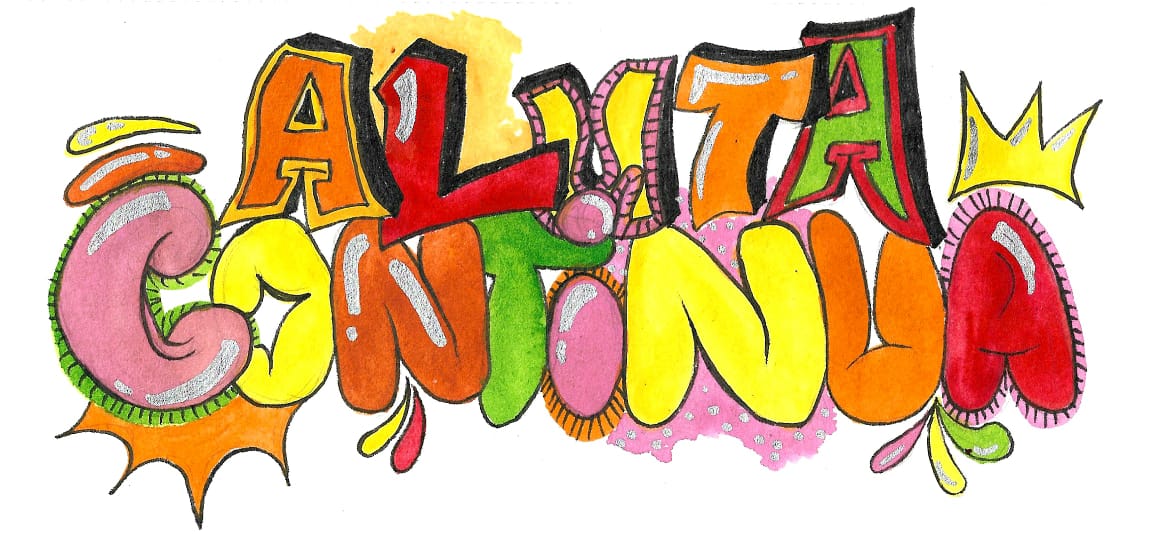
Street art in South Africa is not just an art form or vandalism; it acts as a voice for communities to express their social and political grievances. It is born of a history filled with struggle and revolution and has been, and continues to be, used as a medium through which ordinary people can fight for and draw attention to matters that affect them most.
During Apartheid, murals and graffiti were used as tools of defiance because they depicted revolutionary leaders, carried slogans of liberation, and actively challenged the regime’s propaganda. These works of art took something as basic as a wall and turned it into a canvas of protest, mobilising communities and keeping hope alive in a country that was silencing the voices of the oppressed. After South Africa transitioned into a democratic state, street art did not disappear or lose its momentum. Instead, it evolved to address the new problems everyday people were facing: structural inequality, poverty, xenophobia, and corruption.
Street art is also used as a form of storytelling. It depicts people’s lived experiences, particularly those who are overlooked or marginalised. The murals in townships celebrate cultural traditions and local heritage, while memorial murals honour victims of violence – a practice that is especially relevant given that South Africa has the highest rates of gender-based violence and femicide. Contemporary graffiti, which is rooted in hip-hop culture, has been embraced and adapted by young Africans to blend a globalised art form with indigenous African motifs, amplifying stories while maintaining a sense of cultural identity.
An influential figure in graffiti culture, where street art meets storytelling, is Breeze Yoko. His murals are more than just social commentary: they are made with the help of locals to ensure and maintain authenticity, embodying the often underrated communal nature of street art.
Where a mural or graffiti is located tells us just as much as the art itself. Unlike the art you find in galleries, street art is confronting, accessible, and impossible to ignore. A mural in Mamelodi, Vosloorus, or Soweto speaks directly to the residents, affirming their experiences and meeting them exactly where they are. Falko One, often called the “godfather of South African graffiti”, is renowned for his project Once Upon A Town where he painted his signature elephant across impoverished communities often neglected by the government. This project aimed to turn these low-income areas into “open-air living galleries to spark local pride and boost tourism”.
One final artist that deserves recognition is us, the students at the University of Pretoria. Whether it is us taking time out of our busy schedules to make a mere heart with our fingerprints and signing our names in honour of Sexual Assault Awareness Week, painting a mural to show our allegiance to the Palestinians currently affected by the genocide, or to commemorate and celebrate Pride, we can be a part of graffiti too. It is something truly beautiful when we are able to come together and colour the walls that tell our most important stories.
Visual: Mila Jordaan
