
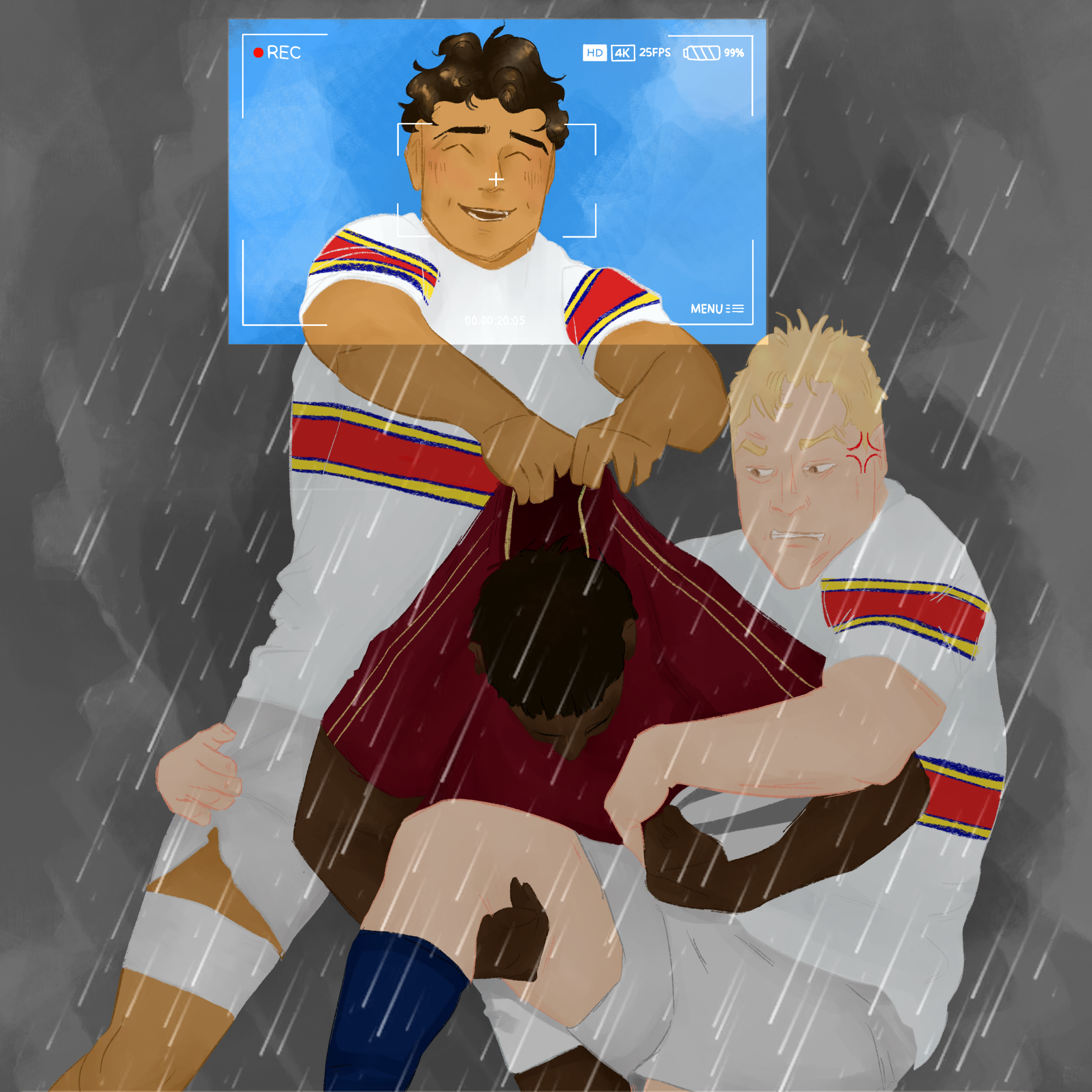
At the University of Pretoria, student sport has always been about performance, discipline, and pride. But in 2026, there is a new layer shaping the student-athlete experience, one that exists far beyond the field, court, or track. It lives on screens, in captions, and through carefully curated highlight reels. Welcome to the era where athletes do not just play the game; they post it.
For today’s student-athletes, excelling in sport is no longer the only expectation. Platforms like TikTok, Instagram, and X have introduced a new dimension: visibility.
Athletes are increasingly aware that their performances can reach far wider audiences than the stands at Tuks Stadium. A well-edited highlight clip, a behind-the-scenes training video, or even a candid team moment can gain traction online – sometimes, it gains more attention than the match itself.
This shift has led many student-athletes to think beyond the scoreboard. Personal branding, follower counts, and engagement rates are becoming part of the conversation, especially for those hoping to pursue professional careers. What was once reserved for elite professionals has trickled down into university sport: the idea of the “athlete as a brand”.
At UP, athletes are not only representing their teams; they are building individual identities. Some share training routines, others post match-day vlogs, and many curate highlight reels that showcase their skills in a way that is accessible and appealing online.
Teams, too, have embraced this shift. Official pages now function as digital marketing hubs, posting match previews, player spotlights, and real-time updates. Social media has become a powerful promotional tool, helping university sports reach audiences that traditional media often misses.
For some athletes, this visibility opens doors. Increased online presence can lead to recognition, networking opportunities, and even sponsorship prospects – an enticing benefit for students balancing tight budgets.
But with opportunity comes pressure. Maintaining an online presence is not effortless. It requires time, consistency, and a level of self-presentation that can be exhausting. For student-athletes already juggling training schedules, academic responsibilities, and personal lives, social media can feel like another performance to manage.
There is also the psychological weight. Constant comparison – of performance, physique, and popularity – can take a toll. A missed shot on the field might fade quickly, but online, mistakes can linger. Similarly, a lack of engagement on posts can feel like a reflection of personal worth, even when it is not. The line between authentic expression and curated perfection becomes increasingly blurred.
One of the key questions emerging is whether social media enhances or detracts from athletic performance. On the one hand, it can be motivating. Athletes may push harder knowing their performances are being watched and shared. The ability to review game footage and highlights can also aid in self-improvement. On the other hand, the need to capture content – filming workouts, editing clips, posting regularly – can become a distraction. Time spent online is time not spent resting, studying, or focusing on the sport itself.
For some, the balance is manageable. For others, it becomes overwhelming. What is clear is that social media is no longer separate from student sport; it is embedded within it.
At UP, the modern student-athlete is navigating two arenas: the physical and the digital. Success increasingly depends not only on skill and discipline, but also on adaptability in a fast-moving online environment.
The challenge lies in balance. Can athletes harness the benefits of visibility and branding without compromising their performance and well-being?
As university sport continues to evolve, one thing is certain: the game does not end at the final whistle anymore. It continues in posts, stories, and feeds where every moment has the potential to be replayed, reshared, and remembered.
Visual: Amy Lamplough
