
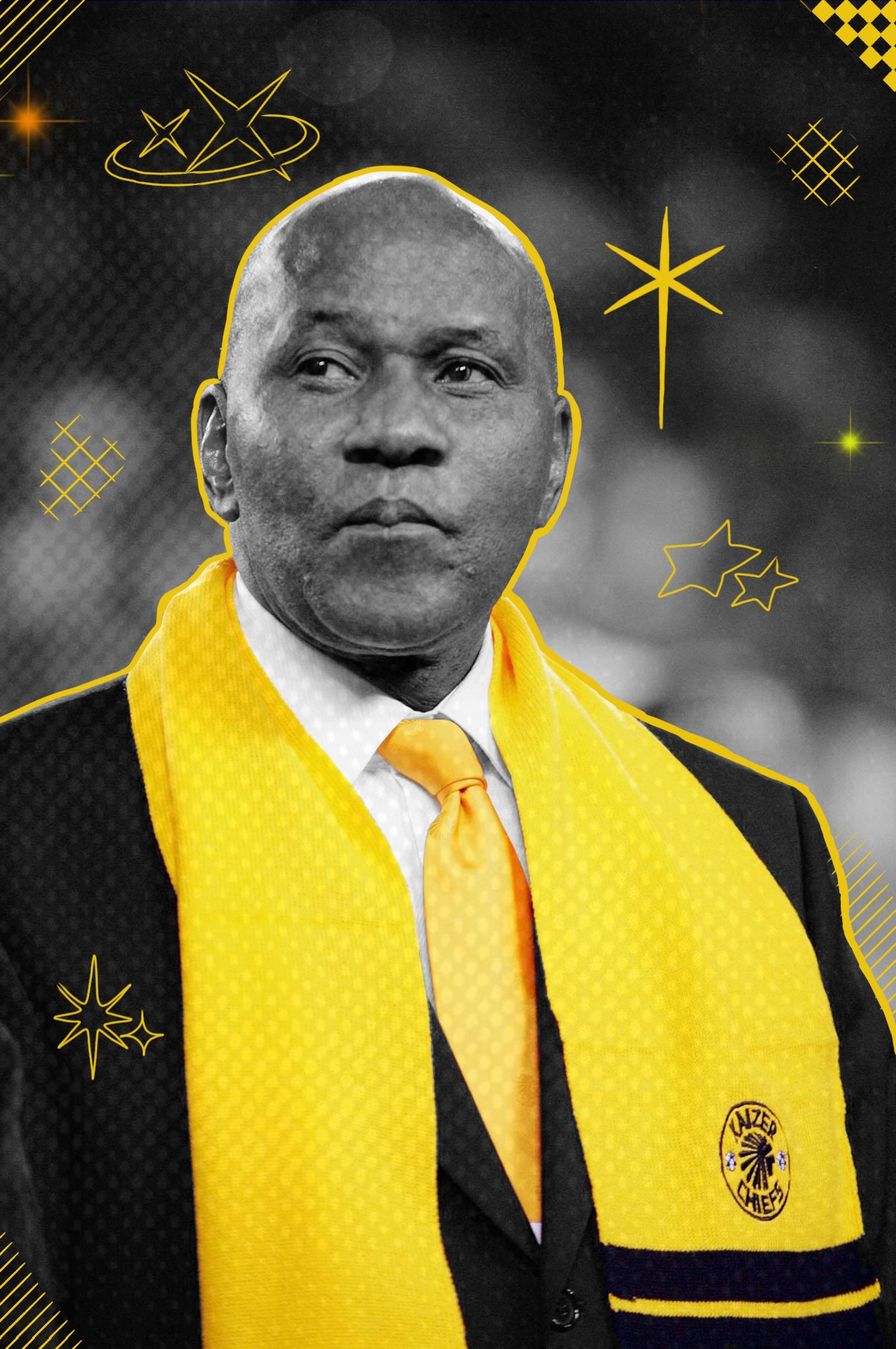
Every South African knows the name Kaizer Chiefs. Even if football is not your thing, you have probably found yourself caught in the middle of a Chiefs vs Pirates argument at a braai, heard someone passionately defend Amakhosi in the Checkers queue, or listened to your uncle confidently announce that this is their season… only to say the exact same thing the following year. Whether you love them, support them, or enjoy winding up their fans, one thing is certain: Kaizer Chiefs is more than just a football club. It is part of South African culture. But before the trophies, the packed stadiums, and one of the biggest rivalries in African football, there was just one man with a big idea.
To understand how Kaizer Chiefs became the giant it is today, you have to go back to the 1960s. South Africa looked very different back then. Apartheid affected every part of life, including sport. Football was hugely popular, especially in Black communities, but opportunities were limited and facilities were far from equal. Despite that, the game continued to grow. Every weekend, people gathered around dusty football fields and packed stadiums because football offered something many people desperately needed: a sense of belonging.
At the heart of it all was a young striker named Kaizer Motaung. After making a name for himself at Orlando Pirates, Motaung got the opportunity of a lifetime when he signed for the Atlanta Chiefs in the US. This was not a bad career move for someone who was not expecting the US to change more than just his address.
While his performances on the pitch caught people’s attention, it was everything happening off the pitch that caught his attention. Football was not just about scoring goals. Clubs invested in youth development, built strong identities, marketed themselves, and operated like professional businesses. Motaung realised that a football club could be so much more than eleven players chasing a ball around for 90 minutes.
When he returned to South Africa, things with Orlando Pirates did not work out as planned. Most players would have looked for another team. Motaung decided to build one instead. On 7 January 1970, Kaizer Chiefs was born. The name was not particularly complicated. “Kaizer” came from his own first name, while “Chiefs” was inspired by the Atlanta Chiefs. This was a name that would eventually become one of the most recognisable in African football.
Of course, coming up with a name was the easy part. Building a football club from scratch? That is a different story. Several players believed in Motaung’s vision and joined him. Together, they were not just creating another football team – they were laying the foundations for a club that would become part of South African sporting history.
What made Kaizer Chiefs stand out was not only what happened on matchday. Motaung believed in professionalism long before it became football’s favourite buzzword. He focused on organisation, discipline, youth development, and creating a club that supporters could genuinely feel connected to. Looking back now, it is easy to see why Kaizer Chiefs grew so quickly.
As the years passed, the club became about more than just football. During apartheid, stadiums became places where people could celebrate, connect, and forget – even if only for 90 minutes – about the realities waiting outside the gates. Supporting Kaizer Chiefs was not just about hoping your team won on Saturday afternoon. It was about identity, pride, and being a part of something bigger.
More than 55 years later, Kaizer Motaung’s idea is still going strong. Today, Kaizer Chiefs is one of the biggest names in African football. It has produced legends, won countless trophies, and created memories that generations of supporters still talk about. But perhaps the club’s greatest achievement is not measured by silverware at all. It is that one man’s idea became a club, the club became a community, and the community became a legacy. Not bad for something that started with a footballer who simply believed South African football could be better.

Visual: Mpho Makwela
