
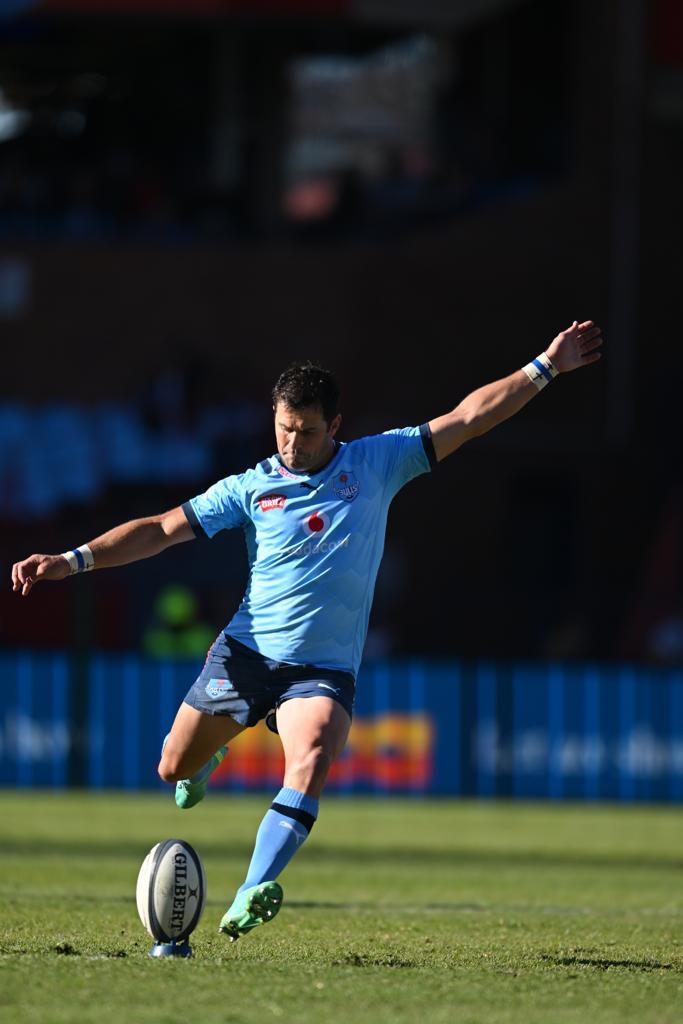
For most of his life, Morné Steyn knew exactly what came next. Training. Matches. Tours. Trophies. Another week of rugby. After more than two decades in professional rugby, that routine eventually had to change.
While stepping away from playing could have meant losing a huge part of his identity, Steyn believes the key is making sure rugby is never the only thing that defines you.
Steyn’s career began shortly after school, coming through the Blue Bulls system before making his professional debut at just 19. Rugby had already been a major part of his life long before that, with his father and brothers also playing a role in shaping his relationship with the sport. That early introduction eventually became a career that lasted more than 20 years, but according to Steyn, some of the biggest lessons he took from rugby had little to do with what happened on the field. Discipline, for one.
Being part of professional teams taught him the importance of the small things that can easily be overlooked outside of a sporting environment: being on time, working hard and understanding what it means to be part of a team. “It taught me some great things for life after rugby as well,” Steyn said.
But life after rugby was always going to be a big adjustment. After spending so many years in a professional sporting environment, suddenly not being a player could have left a sizeable hole.
For Steyn, however, the transition was made easier by the fact that he never really left rugby behind. After stepping away from playing, he moved into coaching with the Lions, taking on a role as a kicking coach. It meant that he was still going to training, still travelling and still spending time around players, just without having to worry about being the one on the field.
And, perhaps unsurprisingly, there are some perks to that. “It’s more of a relaxing role for me, being a kicking coach and not the head coach,” he said. “For me, it’s a different role, but I actually want to say it’s much more fun.”
There are still things he misses. The feeling of playing in a winning team. Lifting trophies. Being in the changing room afterwards with his teammates. And, yes, having a beer with the players. “Just to be in a team environment,” Steyn said. “But, like I said, it’s still good for me. I am still involved with rugby, but I think playing is just a different feeling, different role.”
That difference is something many athletes eventually have to face. For some, the end of their playing career can feel like the end of everything they have worked towards. Steyn has seen it happen to people he played alongside. “I think [for] a lot of them, rugby is everything for them. And then, as soon as it gets taken away, it feels like their whole life is falling apart,” he said.
His own experience was different. Rugby was a huge part of his life, but it was never all of it. “I think as soon as I got married, [had] kids, then you actually see what life’s about,” Steyn said. “Your priorities change.”
It is a lesson he believes younger athletes need to learn before their careers come to an end, rather than after.
Steyn’s advice is simple: build a life outside of sport. “Get something outside of rugby, get friends outside of rugby,” he said. “Just to get your head out of rugby sometimes.”
For student-athletes, that can be particularly important. University sport can easily become a 24/7 lifestyle, with training, matches, gym sessions, travel and studying all competing for attention. But even for those who dream of making sport their profession, there is no guarantee that their career will last as long as they hope.
Steyn believes that there is currently a gap in helping young athletes prepare for that reality. Some players are still in grade 11 or grade 12 when they begin earning money from professional unions, he explained. Learning how to manage that money, plan for the future and understand that a sporting career can be cut short are lessons that need to come much earlier. “Use your money wisely, think of your time after rugby, because this can be cut short anytime,” he said. “And then you need something else to fall back on.”
For UP student-athletes balancing university with their sporting careers, his message is equally straightforward: have a plan B. “Rugby’s not gonna be there for all your lives,” Steyn said. “Always get something, a plan B as well.”
That does not mean walking away from sport while still playing. In fact, Steyn believes staying involved in sport after playing can be an important part of the transition. His own coaching career has given him a new way of measuring success. Rather than worrying about the next trophy, his focus is now on helping someone else improve. As a kicking coach, Steyn gets to see young players develop over time, whether that means improving their goal-kicking percentage or simply becoming better players. For him, one of the biggest rewards is hearing from someone months later who tells him that the work they did together made a difference. “That’s a bit of a tap on the shoulder for me,” he joked.
That desire to make a difference has also taken him to smaller towns and schools where young players might never otherwise get the opportunity to spend time with someone who has played at the highest level. “You go there, spend some time with the kids and just be there for them,” Steyn said. “Just give back a little bit.” And perhaps that is where Steyn’s definition of success has changed the most.
During his playing career, success could be measured in points, victories and trophies. Now, it can be something much smaller. A player improving from 60% to 80% off the tee. A young athlete remembering a conversation years later. A parent sending a message to say that something Steyn did made a difference to their child. “Success is not always winning trophies and being the best guy in the world,” Steyn said.
Instead, he believes success is about making the most of whatever talent you have, regardless of where it takes you. “If it’s in playing rugby, if it’s in big business, if it’s in selling cars, you know, success is to make a success of your work, wherever you are.”
For someone who spent so much of his life being measured by what happened on a rugby field, it is a fitting change in perspective.
The final whistle does not necessarily mean the end of the story. Sometimes, it simply means the game has changed. For Steyn, rugby is still there. It is just no longer the whole picture. And perhaps that is the most important lesson for anyone standing at the end of one chapter of their life: moving on does not mean leaving everything behind. Sometimes, it means taking what you learned with you and finding a new way to use it.

Image : Sourced
