
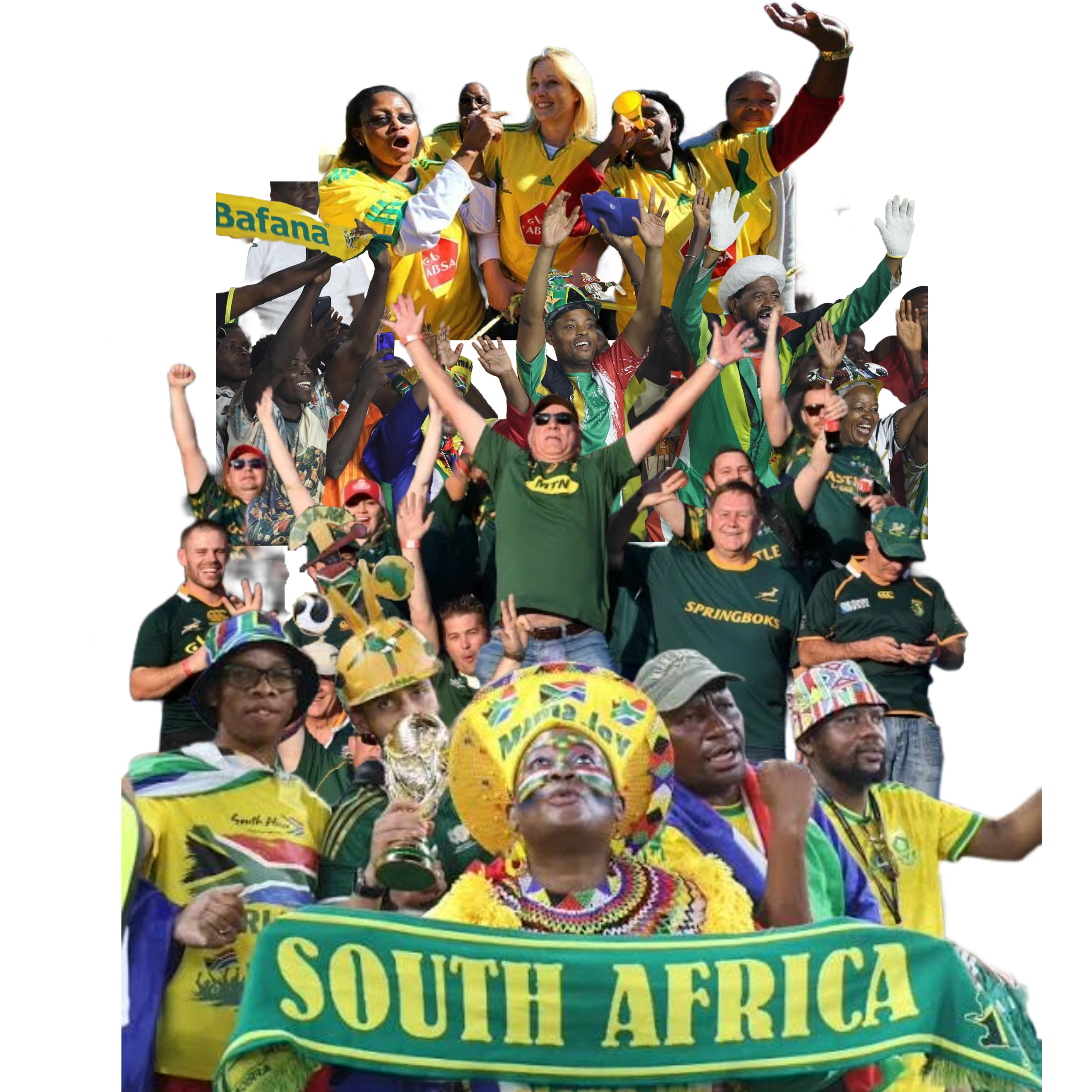
Sport in South Africa has never simply been about what happens on the field. For generations, sport has reflected the country’s changing identity, carried the weight of its history, and, at some of its most important moments, brought people together across boundaries that once seemed impossible to cross.
From a packed rugby stadium singing the national anthem to families gathering around the television for a Proteas match, sport has become deeply woven into the South African experience. But the country’s sporting heritage is far broader than the codes that dominate the headlines. Rugby, football, cricket, and athletics have each developed their own traditions, communities, and histories. Some traditions were inherited from colonial influence while others were developed within local communities, and many have evolved as South Africa itself has changed.
A History Written on the Field
South African sport cannot be separated from the country’s political history. During apartheid, sporting participation was deeply affected by racial segregation. Different communities experienced sport in very different ways, while South Africa’s international isolation also meant that sporting events became politically significant. Therefore, sport became both a reflection of division and, eventually, a potential vehicle for reconciliation.
The 1995 Rugby World Cup is perhaps the clearest example of this transformation. The image of Nelson Mandela wearing the Springbok jersey and presenting the Webb Ellis Cup to captain Francois Pienaar became one of the defining images of the country’s transition into democracy.
But rugby was not the only sport carrying historical significance. Football developed powerful roots within communities across the country, while cricket’s history reflects both exclusion and the gradual transformation of the sport. Athletics, meanwhile, has produced some of South Africa’s most recognisable international stars.
Each sport tells a different story, and together, they form a much larger story about who South Africans are.
More than the Final Whistle
Sporting traditions are often passed down without us even realising it. A parent introducing their child to their favourite team. A school teaching its traditional war cry. Students gathering around a television during a major international tournament. Supporters wearing their team’s colours on match day. These seemingly ordinary rituals become part of a country’s cultural memory. They also change with every generation.
For older South Africans, certain sporting moments may immediately bring back memories of apartheid – the 1995 Rugby World Cup or the country’s return to international competition. For younger South Africans, those same moments may exist primarily through photographs, documentaries, and stories told by their parents.
This raises an important question: how much of South Africa’s sporting heritage is being passed on?
A New Generation of Supporters
Universities provide an interesting space in which these traditions continue to evolve. UP is home to students from across South Africa, bringing together people who may have grown up supporting completely different teams and sports. TuksSport is therefore more than a collection of sporting clubs. It is also a space where different sporting cultures meet. A rugby supporter from one province may share a residence with a football supporter from another. An athletics enthusiast may train alongside someone whose sporting background lies in cricket or netball.
The result is a constantly changing sporting culture. The traditions remain, but the people carrying them forward change.
What Will We Leave Behind?
South Africa’s sporting heritage is not something confined to old newspaper clippings or photographs hanging in museums. It is alive every weekend in stadiums, on school fields, university campuses, and in communities across the country. The challenge is ensuring that the history behind those traditions is not forgotten. Because when we celebrate a sporting victory, we are often celebrating more than the result. We are celebrating the people, communities, and history that made that moment possible.
Sport may begin with a game, but in South Africa, its meaning has always been much bigger than that.
Visual: Khanyisa Motsepe
