
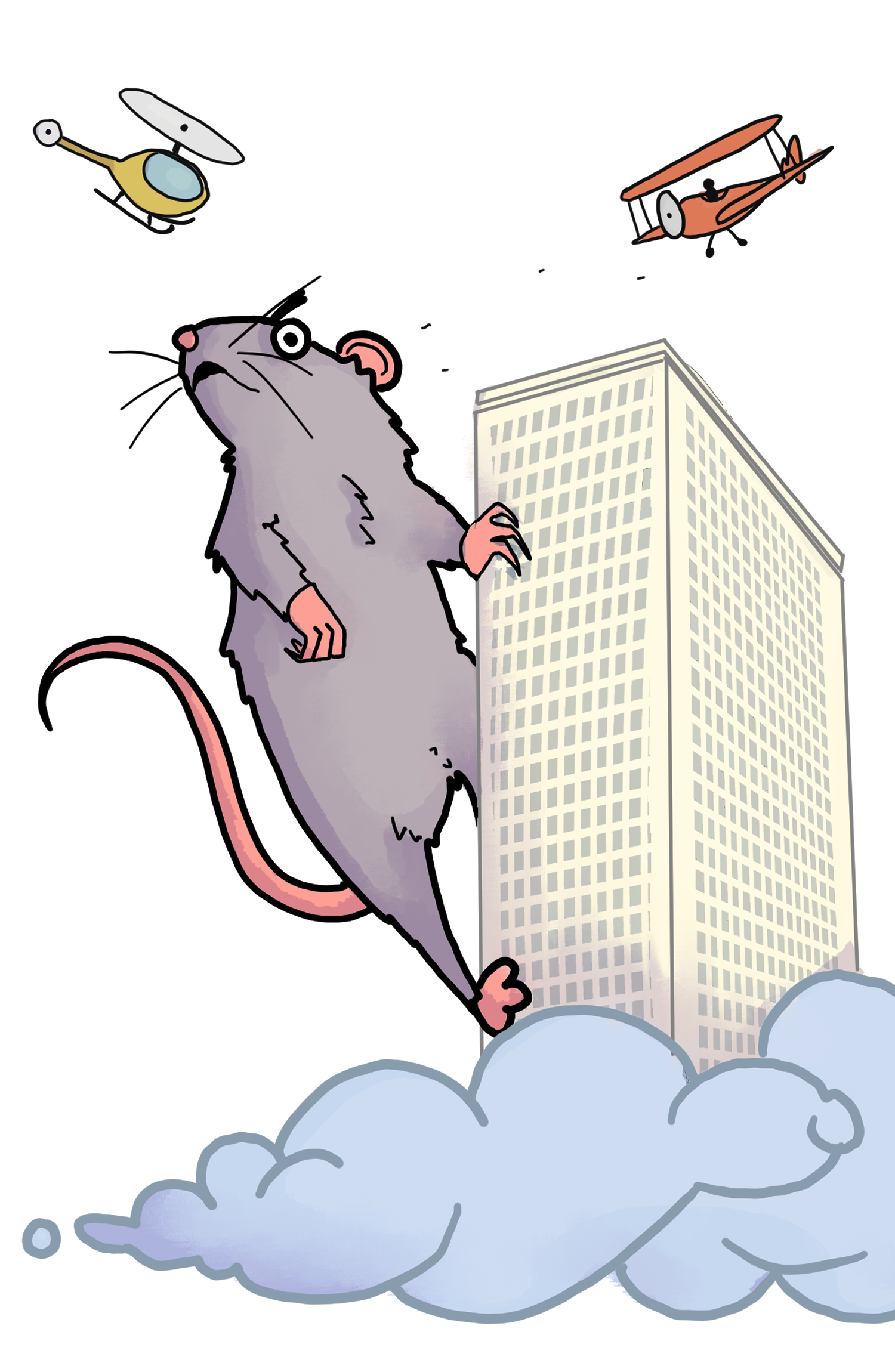
Johannesburg’s rat population continues to expand as the city’s waste infrastructure struggles to keep up with rapid urban growth. Traditionally, pest-control measures have relied on trapping and extermination, but new research from the University of Pretoria (UP) suggests that social dynamics within rat colonies may be undermining these efforts.
A recent Daily Maverick report highlighted the work of UP PhD Zoology researcher Gordon Ringani who identified a phenomenon known as the “daddy factor”. Dominant male rats play a stabilising role in colonies, helping to defend access to food and maintain group structure. This behaviour complicates extermination because trapping individual rats does not necessarily disrupt the colony as a whole, allowing it to continue feeding, reproducing, and occupying waste sites.
This further linked the city’s rat problem to consistent access to human-generated food waste, particularly in areas where refuse accumulates due to collection delays or illegal dumping. These conditions provide rodents with reliable nutrition sources, supporting sustained reproduction and larger colony sizes. This aligns with international research showing that urban rodent populations thrive in areas with poorly managed food waste systems.
The findings place Johannesburg’s infestation within a broader public health and environmental context. Rat populations in dense urban settings are associated with risks such as disease transmission, food contamination, and infrastructure damage. As cities grow, waste systems face increased pressure, creating openings for rodent activity in both formal and informal spaces.
The work also contributes to ongoing discussions about how African cities adapt as their populations expand. Waste governance, public health policy, and urban planning have become interconnected areas of concern, and research such as Ringani’s points to the complexity of developing effective, long-term control strategies. While trapping and poisoning remain common, scientific assessments suggest that solutions may require a combination of improved waste management, environmental monitoring, and ecological understanding of rodent behaviour.
Ringani’s research continues through UP and forms part of a wider effort to examine urban pest dynamics in rapidly developing metropolitan environments. Ringani’s work is a reminder that university research contributes to national problem-solving, even in areas that are not always visible. While rats may seem like a distant problem to those living in Pretoria, the systems that enable them – food waste, sanitation gaps, and public health vulnerabilities – are increasingly shaping the future of South African cities. As the research continues, it has the potential to inform more effective pest-management strategies and help drive policy shifts that benefit millions living in urban environments.

Visual: Gabriella le Roux
