
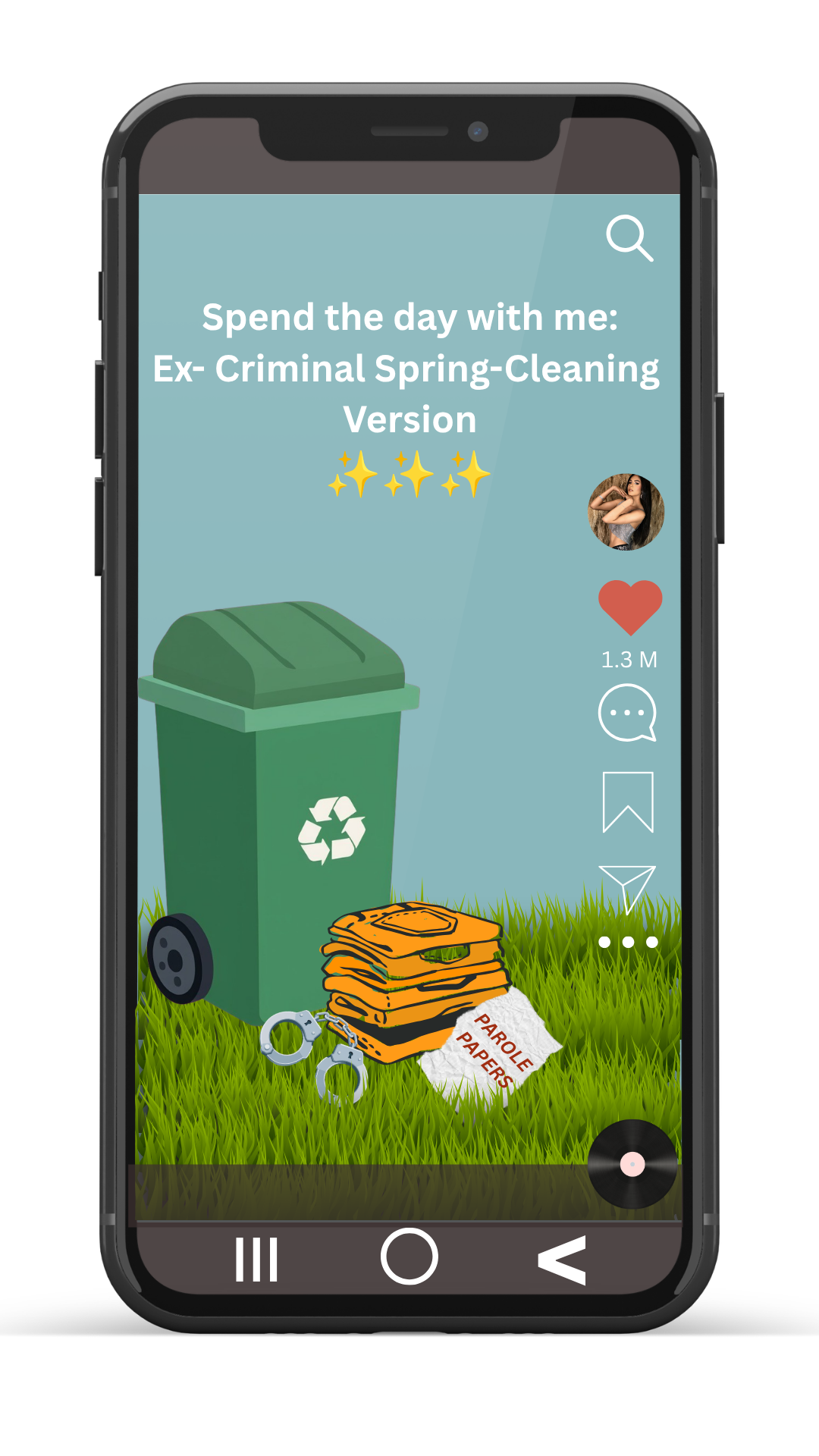
Hey guys! GRWM for prison. First, we have this super cute vintage, minimalist orange jumpsuit…
Once upon a time, a criminal record was a rather major career setback. However, today it might just be your origin story, because don’t we all love a redemption arc? Welcome to the prisoner-to-influencer pipeline, where the algorithm doesn’t care whether you are a murderer – just whether people keep watching.
Take Gypsy Rose Blanchard. Her life story is shrouded in abuse, a criminal conviction, and a media frenzy that would give Thabo Bester a run for his money, even here. Her transformation into a social media personality raises an uncomfortable question: when does giving someone a second chance become turning their trauma into entertainment? And what does that do to the victims?
Then there is Mackenzie Shirilla, whose case became the subject of Netflix’s The Crash. A devastating real-life tragedy becomes a documentary, which becomes a TikTok deep dive, and suddenly thousands of armchair detectives are debating murder and rightful conviction between spend-the-day-with-mes and how to make a microwave cake.
Move over, CSI. You may have a gun, but Gen Z has Wi-Fi, and the internet loves a redemption arc almost as much as it loves a cancellation. If you think watching the Nancy Drew knockoffs’ take on the case is interesting, wait until you open the comments. Ironically, even the people demanding that a controversial figure stop receiving attention can help keep them trending and keep free packages at their doorstep – well, at the base of the bars.
So who benefits when tragedy becomes content? Platforms profit from engagement, documentaries profit from compelling stories, and audiences get another scandal to binge-watch. Meanwhile, victims and their families risk becoming supporting characters in a story they never volunteered to join.
Of course, people deserve the opportunity to rebuild their lives. A criminal conviction shouldn’t automatically translate to a permanent societal exile. But you don’t need a ring light and a carefully curated Instagram feed to prove you’ve changed.
Murder fandoms aside, TikTok detectives play an essential, sociological role in discourse. Many a time, traditional institutions paint black-and-white pictures, minimise the extent of the victim’s trauma (especially if they are a woman), or fail to even fathom the perspectives that these social media sherlocks bring to the table. The role of influencers is obviously to influence. So, whether that influence creates a more nuanced perspective by painting the convict’s story and traumatic history with more accurate colour or borderline glorifies a guilty criminal, is entirely up to us – the unofficial public jury.
Although in 2026 the road from a prison cell to a brand deal is shorter than ever, perspective is the real driver of online, social, and political opinion. We are influenced, de-influenced, and re-influenced on the daily. We can blame the criminal, the courts, the influencers, the news, but what else is there to do (excluding the crime)? So, I’d have to say the award for Best Supporting Actor goes to… the algorithm, for turning public outrage into free marketing.

Visual: Charney
