
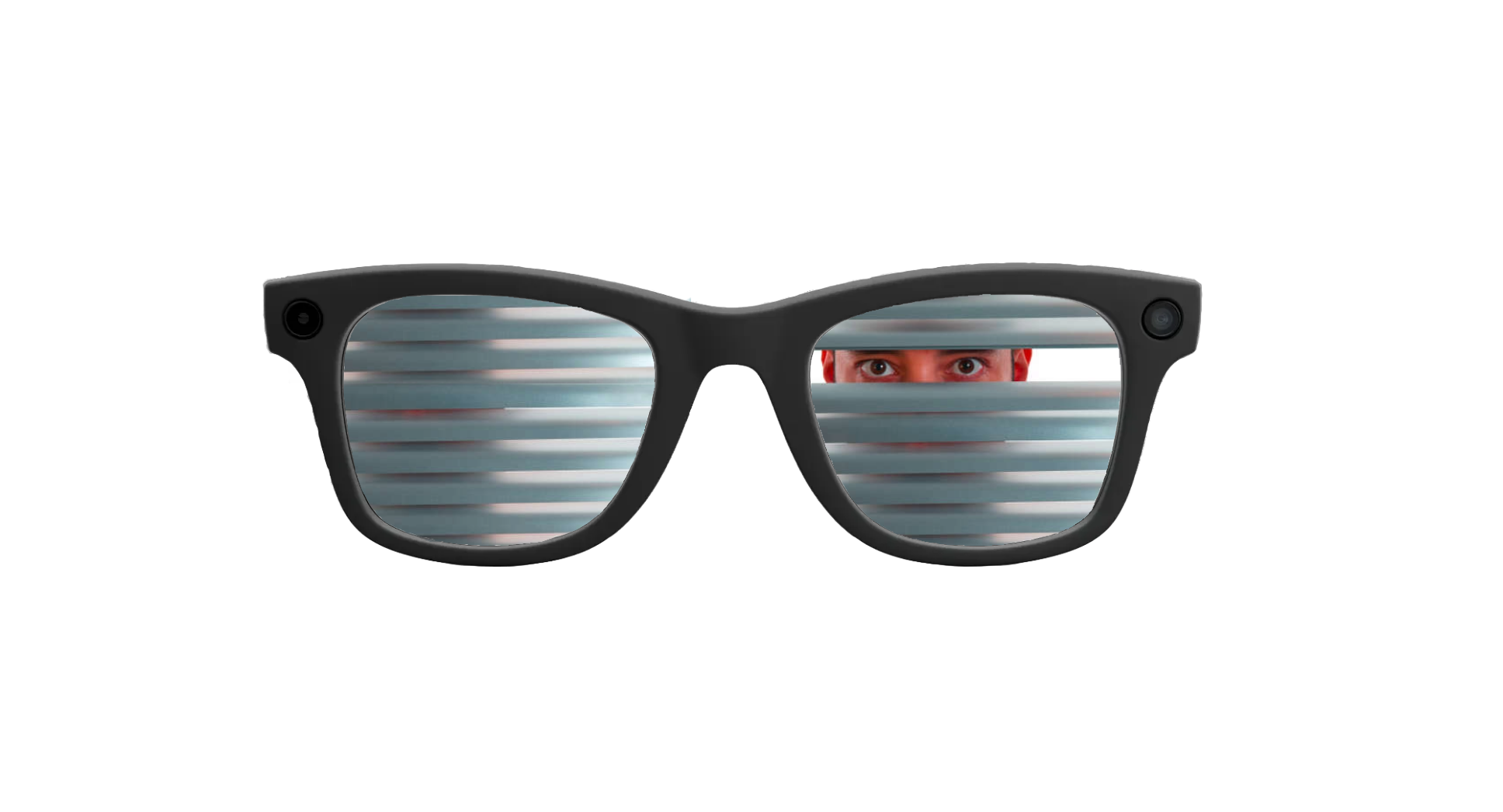
Always be on guard. Whoever you are and wherever you are, there could be a camera lurking, with the person behind it looking for content anywhere and everywhere. Unfortunately, the introduction of Meta glasses has made it much easier for people to film unaware subjects while they are simply existing. This brings about great unease regarding the invasiveness of capturing people’s private lives without them knowing. This threat to privacy is especially concerning for women who are the main victims of digital violence.
Digital violence is described by HateAid as various forms of harassment, discrimination, and social isolation on the internet and by other means of electronic communication. It is further described as a type of violence that threatens society as a whole because it happens around the clock and in front of huge audiences. It can take place in forms such as cyberbullying, stalking, and even image-based violence, such as the posting of sexually explicit content without consent from all parties involved. Meta glasses introduce a growing fear of constant surveillance as they are often used to film people with or without their consent. When paired with AI and other technology, these glasses can be easily used to collect private data.
Meta glasses are AI-powered glasses advertised as being for “endless connection”. With technology allowing you to listen to music, take calls, and send and receive messages hands-free, the smart glasses seem like a look into the future. However, these futuristic features come at the price of your privacy and the privacy of those around you. The content recorded by Meta glasses seems invasive to wearers as well since they record any and all content collected by the glasses indiscriminately. Journalist Lucy Scotting details the kinds of content reviewed by contractors working under the Meta umbrella, which includes users’ credit card details captured during transactions and even footage of people in personal or private spaces such as bedrooms and bathrooms if the glasses are not turned off.
But why is the invasiveness of this invention even more concerning for women? Women already bear the brunt of digital violence. From revenge porn to online degradation, women are constantly forced to be hyper-aware of the content they are in, whether posted publicly or intended for private eyes. The internet, and society in general, is far more critical of women, and, according to UN Women, 95% of online aggressive behaviour and abusive language in South Africa targets women and girls.
There has also been a desire among Meta glasses-owners to turn off the light that indicates that the glasses are recording. This further shows the intention to be able to use the glasses to record people without the possibility of them finding out. There seems to be a growing lack of concern for privacy rights, and Meta glasses have just made it easier to violate such rights. As privacy becomes a luxury, so does safety, especially from the internet and digital violence.
So, what do we do? Do women just remain on guard 24/7? UN Women suggests the need for stronger laws and enforcement against digital violence, as well as challenging online behaviours and funding organisations who support victims of digital violence. They further go on to say that laws alone are not enough. It is equally important to recognise and report abuse as we see it online. As consumers, it is also important to understand the impact new technologies could have on vulnerable groups before deciding to make a purchase and to ensure that we use our products responsibly.

Visual: Khanyisa Motsepe
