
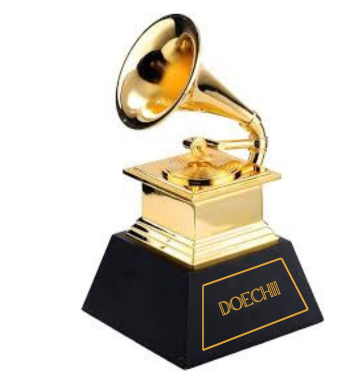
Dubbed as the “female Kendrick Lamar”, American rapper Doechii has risen to stardom – a fact that has been exciting for hip-hop fans who have been lamenting that the genre is dead. To many, it seems that she came out of nowhere with the release of her 2024 mixtape Alligator Bites Never Heal, a project that bridged the gap between new-school and old-school hip-hop and was accompanied by a compelling stage presence. These are components that many have been longing for in modern female rap music. After being signed by Top Dawg Entertainment alongside SZA, and previously Kendrick Lamar, she has received many co-signs. Unfortunately, with virality comes immense scrutiny, and Doechii’s (believed to be) rapid move from releasing a mixtape to standing on the Grammy stage has raised red flags for many. In an attempt to discredit her rise, many have been labelling her as an “industry plant”. But what is an industry plant? Do they even exist in the social media age?
The term “industry plant” has been a disparaging label since its conception. Originating in hip-hop forums in the early 2010s, it is commonly understood to be a new artist who is receiving financial, creative, and promotional development from a record label while fronting as an independent artist that is receiving purely organic growth as they begin their career. The issue that many have with industry plants is not that they are backed by record labels, but that they pretend to have hustled success through grassroot efforts. The main aim is to question the authenticity of their growth and standing in the music industry. It has similar motivations as the scrutinising of “nepo babies” in the acting industry. Their existence is seen as an insult to artists who have faced many trials and tribulations while attempting to organically gain a following for their work. This is a journey that can drain artists financially and mentally with rejections and the lack of budget needed to distribute and create quality art. It is one that results in the loss of capable talent that cannot always access the resources and perseverance to wait for a reward that is not necessarily inevitable.
As previously mentioned, the “industry plant” label originated in a time when social media was not the most forward method of promotion for artists. Radio, television, blogs, and traditional media dictated whose music received the most attention. This is why record labels had such a strong hold on which artists were marketed – they had the budget to exploit all of these avenues. However, the tide has shifted in the current media landscape. TikTok and many other social media platforms have come to be a favourable method for indie artists to market themselves due to the amateur skills and budget needed to promote artistry. This has, to some degree, leveled the playing field for artists. As a result, an artist can permeate and fill up a considerable amount of space in media without much gatekept industry backing.
Popular artists such as Billie Eilish and Clairo have been followed by industry plant allegations since the beginning of their careers as many have investigated their alleged hidden, pre-existing connections to the commercial music industry. While most artists never confirm or deny these accusations, the term has snowballed into an accusation thrown against any artist who gains a smidgen of fame and capitalises on it quickly – a great skill considering how fast trends move. Many artists do this without a definitive answer as to whether or not they truly exist.
This brings us back to Doechii, who is the current victim in the war against industry plants. Fans who do not know how she started out have reservations with how she has managed to receive support and features with established artists such as Tyler, the Creator. Contrary to popular belief, Doechii’s career did not begin in 2024. 2019 saw the release of her first body of work: an independently released album titled Coven Music Session, Vol. 1. It went largely unnoticed, but things changed in 2020 when she released her fully self-funded debut mixtape Oh the Places You’ll Go. This collection contained the single “Yucky Blucky Fruitcake”, a track that gained traction on TikTok. In doing so, this resulted in her signing to TDE in 2022 and the release of more TikTok-famous hits such as “Persuasive” (a song that you will definitely find familiar). Her efforts culminated in the release of the 2025 Grammy award-winning Best Rap Album Alligator Bites Never Heal, which caught the attention of many eyes and ears through the playful performances of the mixtape’s single “DENIAL IS A RIVER”. So yes, her current marketing is label-backed, but it is not plant-like because of how much work was done independently.
Doechii is a case-study in how independent artists are leveraging social media and are able to receive industry support after their own promotional efforts have garnered enough attention. This is antithetical to the workings of an industry plant. Because of this, the question has evolved from “Do industry plants exist?” to “Can industry plants exist in the age of social media?”. While industry plants have the advantage of being marketed in a professional manner, indie artists are now able to reach the same audiences as underdogs.
Social media algorithms can sometimes be unpredictable in what they favour, and this works to many indie artists’ advantage. The industry plant accusations thrown at Doechii do little to actually confront the gatekeeping of artistry and industry support for organic talent, while simultaneously diminishing the arduous effort that the rapper put into gaining recognition for her work. Whether or not industry plants exist, it is important to not lose sight of what the term actually aims to do: call out commercial record labels while advocating for independent artists who have less than a quarter of the means that labels do.
Visual: Daniel Green
