
The University of Pretoria hosted the launch of Ngũgĩ wa Thiong’o in Context on 16 August 2026, bringing together scholars, academics and students for a day of intellectual conversations centred on the life, literature and legacy of the late Kenyan writer and scholar Ngũgĩ wa Thiong’o. The event was organised by Miss Amanda Tongha, Event and Communications Manager.
The morning began with networking and intellectual exchanges among attendees, creating a space that brought together African scholars and University of Pretoria students. Guests from institutions including the University of South Africa (UNISA), the University of Johannesburg (UJ) and the University of the Witwatersrand (Wits) were also in attendance.
The launch was opened by James Ogude, the editor of Ngũgĩ wa Thiong’o in Context, who welcomed attendees before the discussions turned towards the importance of understanding African literature and scholarship within its wider context. Ogude, who previously served as a scholar at Wits, was also recognised for his contribution to scholarship and mentorship. His academic journey included 21 years of work in the field, during which he mentored numerous students. Professor Nolwazi Mkhwanazi, an anthropologist, also contributed to the opening discussions, reflecting on the significance of the conversations taking place around African knowledge and scholarship. The launch also featured Professor Simone Gikandi from the United States, bringing an international scholarly perspective to the discussions. A central theme throughout the launch was the importance of advocating for research produced by African students and scholars at African institutions. The discussions highlighted how research from the continent can contribute new debates and perspectives that deserve to be heard and explored.
One of the questions raised during the discussions was: “Can any theories produced escape Africanism?” The question opened a broader conversation about Africanism across different fields of study, including anthropology, theology and literature. The speakers explored the different forms of knowledge that emerge from African contexts and how these can contribute to wider academic debates. The discussion also considered the different kinds of knowledge encountered in Ngũgĩ’s work and how changes in context can influence the way his writing is understood. Ngũgĩ’s books, the speakers noted, have continued to speak to multiple generations. His writing has created opportunities for readers and scholars to engage with questions surrounding history, identity, language and African society. The first discussion segment featured Professor Grace Musila from the Department of African Literature at Wits University, Professor Ronit Frenkel from the Department of English at UJ, Professor Siphiwo Mahala from the Department of English at UJ and Professor Isaac Ndluvo from the Department of English at UP. Each discussant reflected on their contribution to the book and explained the approach they used when engaging with Ngũgĩ’s work. Their different contributions demonstrated the various ways in which his literature can be explored through different academic perspectives.
The second segment returned to the importance of context when reading and interpreting literature. Ogude emphasised the need for readers to remain attentive to the text while also considering the critical contexts surrounding it. The discussion considered what may have influenced Ngũgĩ as a writer and the extent of the library and literary works to which writers are exposed. Ngũgĩ’s relationship with the past and history was also explored, including his reflection on being haunted by the past and history. Context, the speakers noted, is also important in understanding how writers travel and encounter different ideas, people and literary traditions. Professor Musila further reflected on how Ngũgĩ’s context is taught and understood, connecting the conversation to broader African literary debates and the place of African literary classics within university spaces. For students attending the launch, the conversations offered an opportunity to connect their academic studies with broader questions surrounding African knowledge and literature.
PDBY spoke to Information Science Publishing student Lebo Hlakane, who attended the launch as part of an assignment for one of her modules. Hlakane said her biggest takeaway from the event was the importance of African universities prioritising the development of young scholars who can produce knowledge about Africa and share it with the rest of the world. “My biggest takeaway was that it is necessary and even more important for universities in Africa to prioritise the training of young individuals into scholars who are capable of producing knowledge about Africa and, as a result, sharing this knowledge about Africa with the rest of the world,” Hlakane said. Hlakane also reflected on why conversations around African literature remain important for university students today. “I think conversation about African literature is important for university students today because there is a very rich history that lies in African literature that African students need to be conscious of,” she said.
She explained that engaging with this history can help students recognise how present-day issues are rooted in the histories from which African societies have emerged. Hlakane added that this awareness can encourage students to think about possible solutions through the different disciplines they currently study. “Only then can we begin to start finding solutions to these issues through the courses we currently study,” she said.
The final segment of the launch shifted from scholarly discussion to a documentary exploring Ngũgĩ’s life and intellectual journey. The documentary was presented by Professor Ndirangu wa Wachanga and ran for approximately one hour and ten minutes. The documentary featured interviews and reflections connected to the reading of African novels and African literary traditions, including discussions around Chinua Achebe. It provided attendees with an opportunity to engage with Ngũgĩ beyond his written works and consider the experiences and intellectual influences that shaped his life and writing. For many Africans, English has become an adopted language, one we have had to learn because of its global use, while others have simply grown to love it. Yet, Ngũgĩ’s work reminds us to question the histories behind the languages we speak and the ways they shape our identity and knowledge. As the late Ngũgĩ wa Thiong’o said, “English is not an African language; it is the language of the coloniser.” As we celebrate Heritage Month, let us not only reflect on our diversity, but also take time to celebrate our Africanness. The launch of Ngũgĩ wa Thiong’o in Context showed the importance of creating spaces where African voices, knowledge, languages and histories can be questioned, shared and celebrated. In doing so, we keep African conversations alive, ensuring that our past informs how we understand ourselves and the future we create.

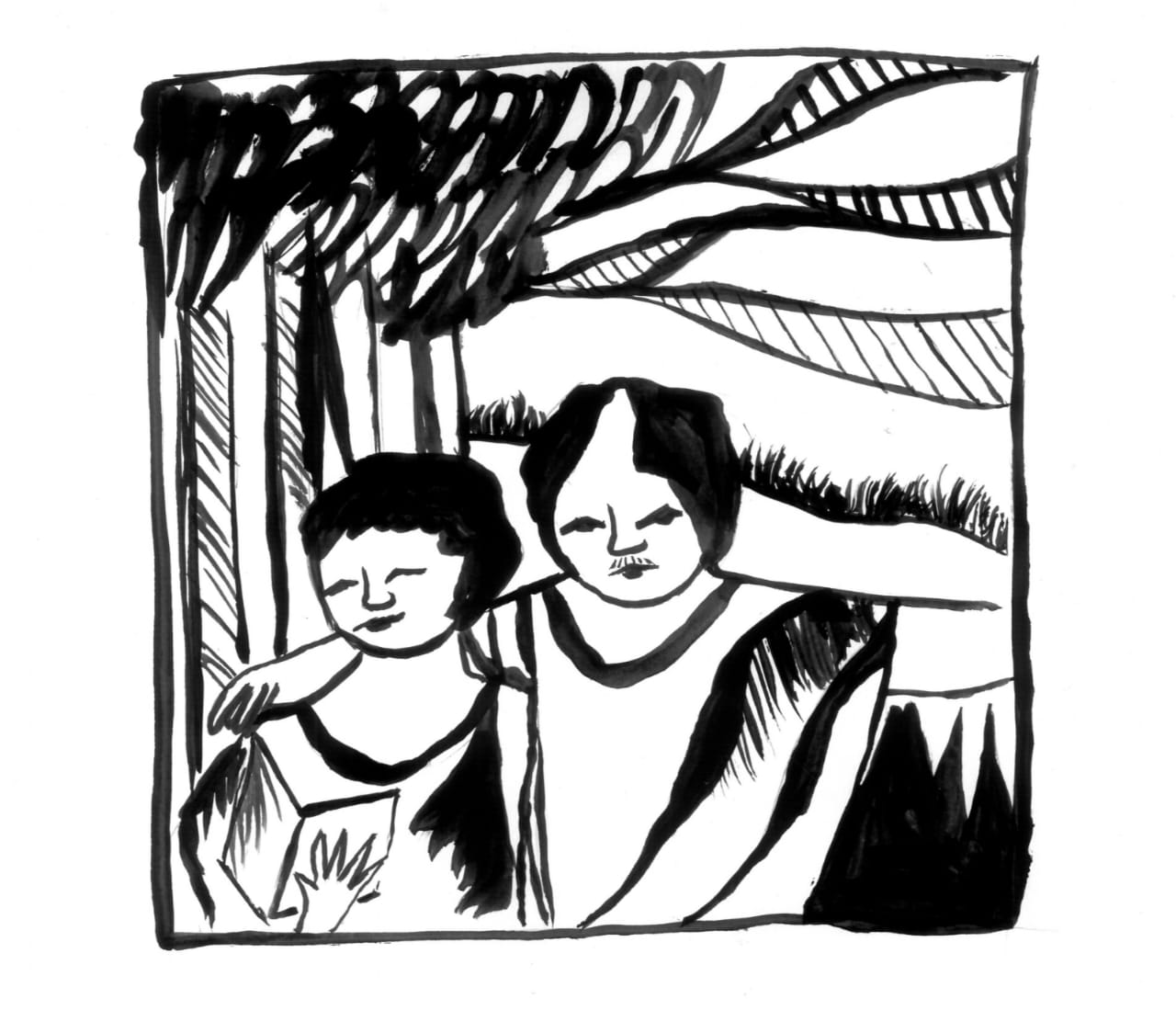
Visual: Mila Jordaan
