
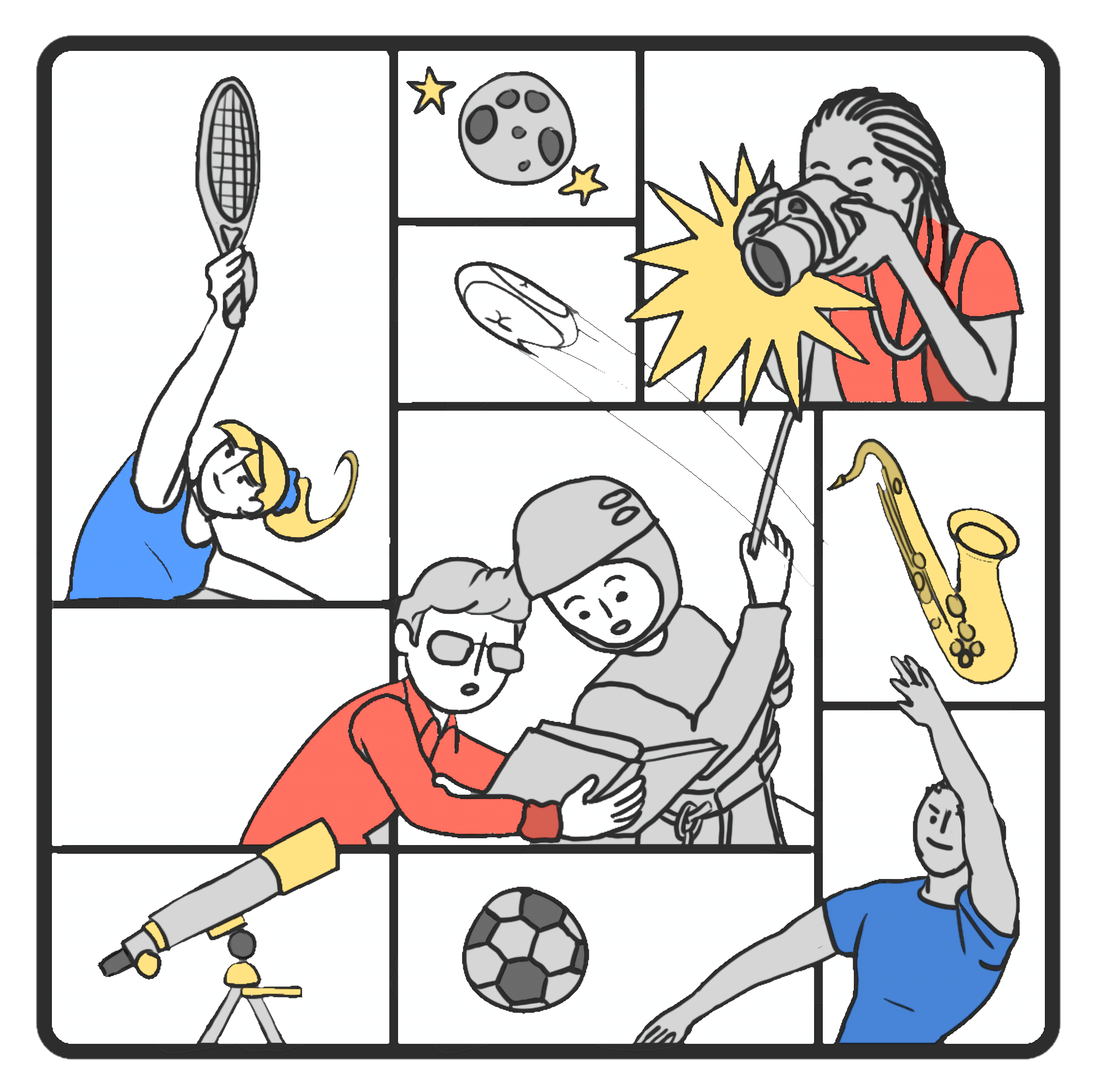
The University of Pretoria can be described as a melting pot of ideas, cultures, and ambitions. This is where dreams come alive, diversity flourishes, and creativity overflows. It is a world filled with countless possibilities, yet many students move through campus life in a bubble, sticking closely to their degrees, familiar friend groups, and one or two societies that feel “safe”. While this is natural, it quietly limits one of the greatest opportunities university offers: meaningful connections beyond the bubble.
Societies often fall into this pattern too. Academic societies engage only with those in their faculty. Cultural societies focus inward, and professional organisations host events for a select audience. This results in missed opportunities for collaboration, creativity, and growth. It is crucial to note that the most pressing challenges of our time, from economic inequality to climate change as well as innovation and social cohesion, are not solved by one discipline alone. Why should student life be any different? Societies should come together to empower and encourage students by embracing, rather than ignoring, their differences.
Remember, campus societies were created to expand student life beyond the lecture hall. However, when societies operate independently and rarely engage with one another, they unintentionally create smaller bubbles within the larger university space. Stepping beyond these bubbles is where growth, connection, and opportunity truly begin.
Venus Nare, a final-year student, said, “One society already feels like a lot when you are trying to adjust, but you do not even realise how much you are limiting yourself until you attend something outside your usual space.” It is evident that when campus societies collaborate, bubbles burst. Events become richer, conversations more diverse, and networks broader. A business society partnering with a media or an arts society gains new storytelling perspectives. A political or social justice organisation working with a science or engineering group sparks practical solutions rooted in policy and innovation.
When interviewed, Executive Committee (EC) members across campus echoed the same sentiment: collaboration exposes students to skills and mindsets they would not encounter within their own spaces. It builds adaptability, teamwork, and leadership qualities that employers increasingly value in a rapidly changing world.
This sentiment was summarised by one EC member who said, “When we collaborate with other societies, we reach students we would never normally reach. It pushes us to think differently and plan events that are more inclusive and engaging.” Through collaboration, societies stop functioning as isolated groups and start contributing to a more connected campus culture.
Step beyond your bubble! Going beyond your comfort zone starts with something small, like attending a joint event, supporting another society’s initiative, or simply starting a conversation with someone outside of your usual circle. Over time, these small steps create a campus environment that is vibrant and inclusive. However, societies must lead students into this diversity with collaboration, assistance, and support. Societies should not just co-exist, but they should grow stronger together.

Visual: Jemma Thomson
