
“They made him drink petrol… and burnt him in front of me.”
These are the words spoken by Nokuzola Fulani at the Truth and Reconciliation Commission in 1996. Fulani was six months pregnant when she watched her fellow South Africans drag her husband, Jacobs, from their home and execute him.
As reported in the South African History Archive, executions and necklacing were common during the 1980s period of Apartheid. A neighbour could accuse you of collaborating with the apartheid government and, by doing so, sign your death warrant. These attacks were fuelled by hate and desperation caused by the apartheid regime, but because people were not able to burn their actual oppressors, they settled for turning their hatred and flames on their friends and comrades.
Decades later, South Africa is now a multicultural democracy, but hatred did not die with the apartheid regime. We have many cases of hate crimes and tension in our country: crime, racial tensions, xenophobia, gender-based violence, and much more are running rampant. According to the International Genocide Watch, our country is in a state of political polarisation where hostility between different races and groups is common.
While we as South Africans have grown used to these conditions, they tend to boil over from time to time.
In 2021, the Zuma riots proved how anger, frustration, and desperation give birth to violence. According to the Sandy Africa Panel, which was appointed following the riots to review the incident, the riots could be termed “bread riots”: riots where the participants were desperate for food and basic necessities and used looting to lay their hands on these. The Zuma riots led to the destruction of many South Africans’ property, with many facing injuries. To an extent, the desperate circumstances in our country are responsible for it just as much as the individuals involved.
On 30 June this year, our country once again faced threats of violence and mass protests when March and March launched a “national shutdown” calling for all illegal immigrants to leave the country. Leading up to and following the protest, xenophobia in South Africa had increased. Unlike the Zuma riots, however, these incidents are not merely spontaneous eruptions of frustration and desperation. Politicians often look away and allow xenophobia and anti-immigrant violence to run rampant, according to an article in The Conversation. Instead of condemning and shutting down organisations spreading violence against foreigners, many elected leaders look the other way or even actively embrace them. Many politicians would rather use immigrants as the scapegoat for our failing economy and use the resulting social division for their own gain.
Violence and hatred in South Africa have always existed, and in times of uncertainty and frustration, it tends to boil over into violence. In 1994, South Africans were frustrated with the apartheid government, but because they were hard to attack, they turned on one another instead. In 2021, driven to desperation, South Africans attacked one another again. Now in 2026, we have turned our hatred towards fellow Africans for the simple act of existing in our country. Perhaps it is finally time to admit that we have made hatred a habit, but instead of directing it towards those who deserve it, we burn our comrades instead.
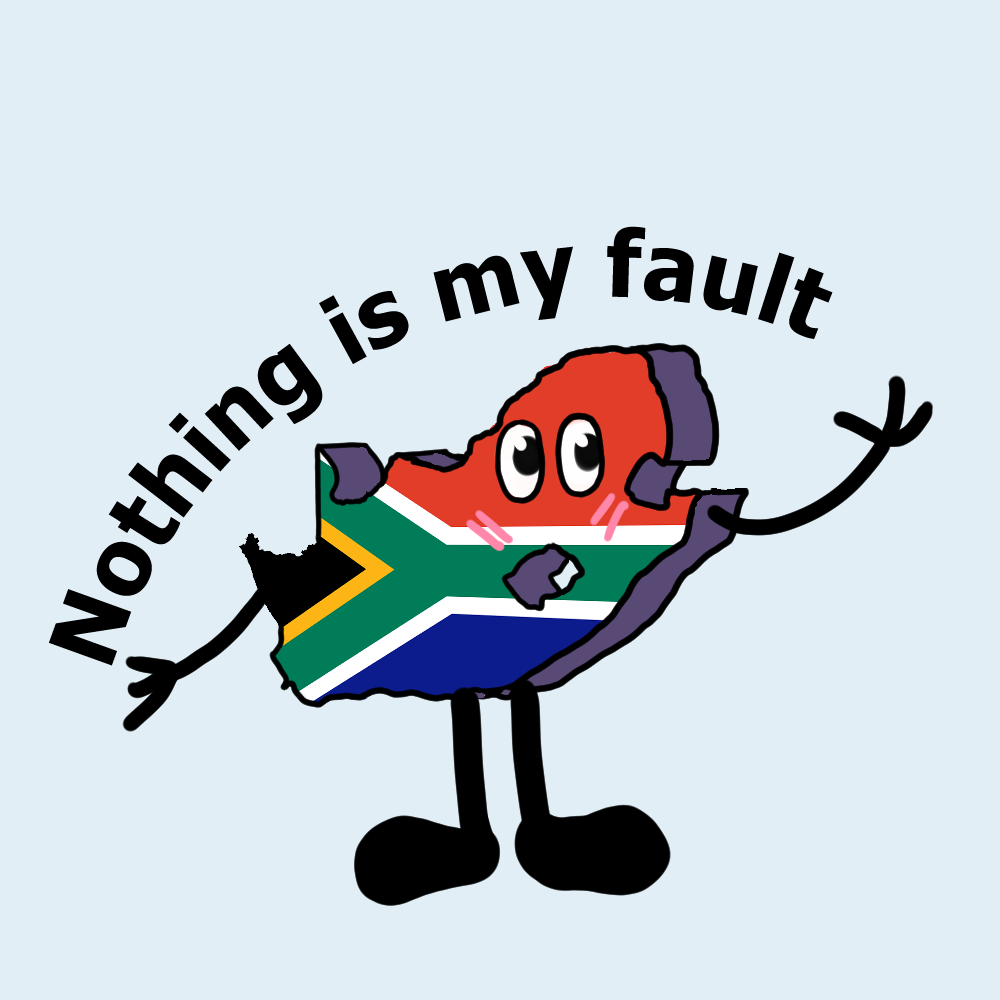
Visual: Gabriella le Roux
