
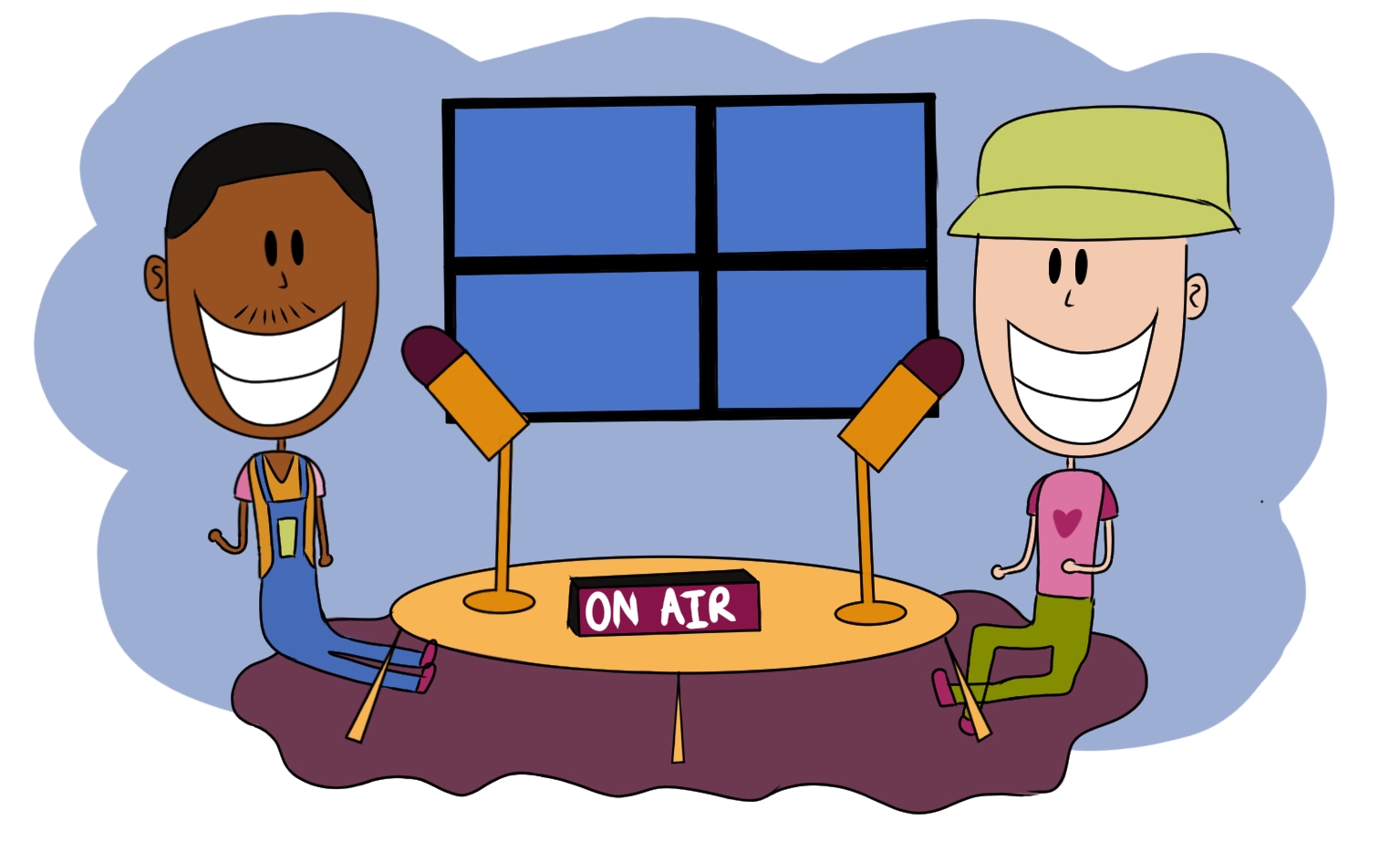
Podcasts have quickly become one of the most influential and popular media sources. They explore a wide range of topics from politics to comedy, and they are highly accessible both for consumption and creation. Anyone with a stable internet connection and a phone can broadcast nearly anything to a global audience. This has become quite the double-edged sword because it promotes freedom of speech on one hand, but also allows people to spread hate speech and misinformation on the other. As a result, an important question arises: do podcasts need regulation?
In a poll, an overwhelming number of students voted for regulating podcasts. Unlike traditional forms of media, such as radio and television, podcasts are not required to adhere to governing bodies such as the Broadcasting Complaints Commission of South Africa (BCCSA), which enforces codes of conduct, ensures ethical standards, and imposes sanctions to hold media outlets accountable for any transgressions. This gap in regulation enables podcasters to get away with misinformation and hate speech with virtually no consequences. In fact, creating harmful content has proven to be an effective marketing tactic as the most controversial moments of a podcast are clipped and posted on platforms such as TikTok, Facebook, and X for virality and to clickbait people into watching the full episodes the clips originate from.
This marketing strategy is one that the largest podcast in Africa, Podcast and Chill with MacG, has utilised for years, but it is not without repercussions. In 2025, the media personality Minnie Dlamini sued the podcast for hate speech and gender-based harassment when they infamously claimed that Dlamini’s multiple failed relationships are a result of her poor feminine hygiene, which is common with the “hot girls”. A few years earlier, in 2022, presenter Bonang Matheba was awarded R300 000 by the Johannesburg High Court after winning a defamation case against podcaster now turned AI music creator Rea Gopane. On his Everything SA Music TV podcast, Gopane claimed Matheba introduced her ex-boyfriend AKA to cocaine. These instances highlight two disturbing facts: individuals can say whatever they want on podcasts, whether it is true or not, and due to the lack of regulation of podcasts, victims are left with no choice but to advocate for themselves.
It is important to realise that as much as regulation is important, it also has its downsides. The appeal of podcasts very much lies in the fact that they are not restricted by the bounds of traditional media and can create a space that fosters freedom of speech and expression, which includes people who have views that may be contrary to the mainstream. Regulation has the potential to suppress dissenting voices, which could lead to censorship. Unlike traditional media, podcasts are not rigid. They are more conversational and resonate with audiences on personal levels through their diversity in content, authenticity, and intimacy, and regulation may completely remove the elements that made people fall in love with them to begin with.
Whether or not podcasts should be regulated relies on the ability to maintain a healthy balance between podcasters taking social accountability and policymakers ensuring that potential regulations do not stifle the freedom of speech and expression of creators.

Visual: Mpho Makwela
