
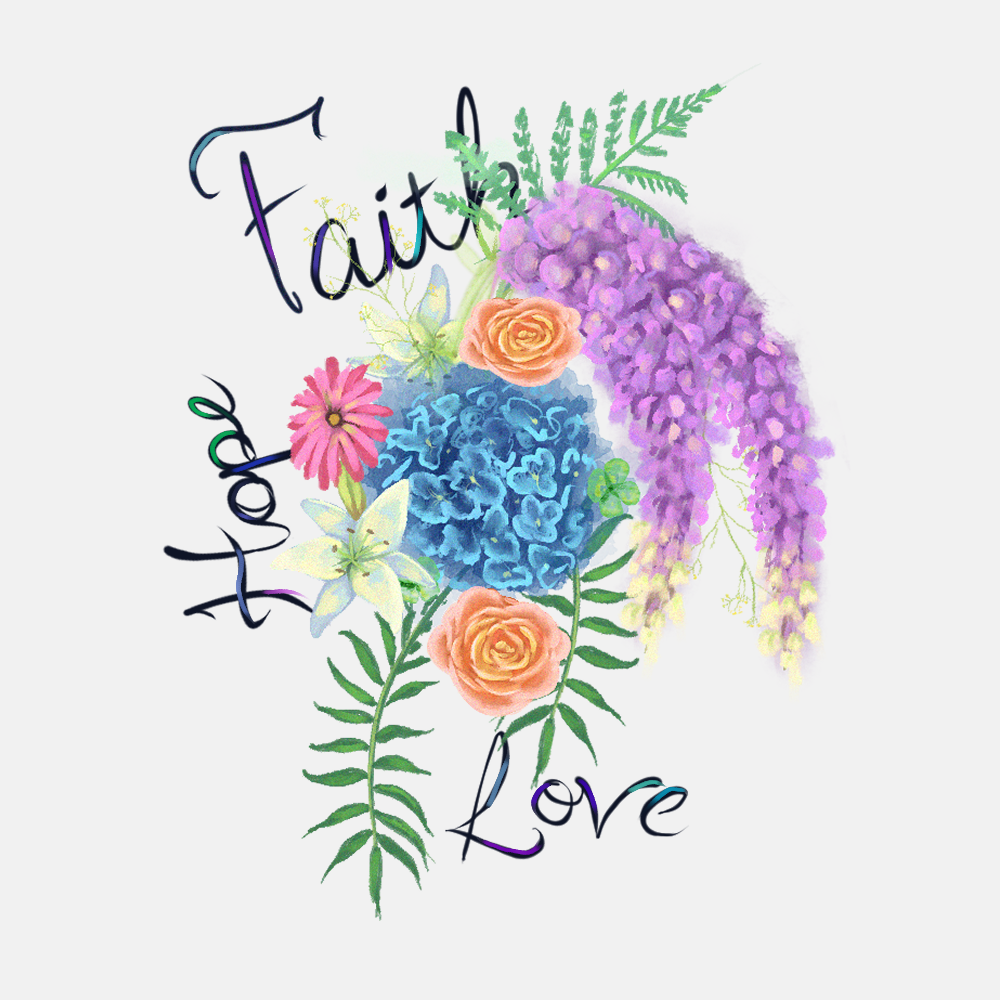
It is spring time and flowers are everywhere, but did you know that flowers and their different colours carry a specific message or meaning? If a friend or partner handed you a bouquet today, you would probably thank them and set the flowers in a vase. But in the 19th century, that same gesture could have carried a secret message, one carefully chosen through the art of Floriography.
Floriography, or the language of flowers, has been practiced across Europe and Asia for centuries. The tradition of assigning meaning to flowers dates back to early interpretations of the Hebrew Bible and appears throughout folklore, mythology, and even in ancient Greek theatre. Each flower and colour had its meaning, but the message could change based on what flowers it was paired with, how it was wrapped, or even how it was held. Floriography became so complex, with meanings shifting throughout generations, that entire dictionaries were published around this. The first to be published was le Langage des Fleurs in 1819 and would become known as the “Floriography bible”.
In the 1800s, upper-class women were held to strict standards within society. They had to always be polite with their words and actions, so using flowers to share messages became very popular. Men and women were also not allowed to be alone before marriage, so flower arrangements gave couples a way to communicate covertly. This language has mostly been lost to time, so now is the perfect time to send that passive aggressive arrangement or confess your feelings without ever opening your mouth. Here are a couple flowers and combinations that share how you really feel.
If you are wanting to give someone a true f*ck you, try a bouquet made of geraniums (stupidity), meadowsweet (uselessness), foxglove (insincerity), yellow carnations (rejection and disappointment), and orange lilies (hatred). The result is quite pretty and colourful, but packs a secret punch.
Yellow roses live a double life. Either you are appreciating a wonderful friendship, or you are telling a loved one you no longer love them and have either cheated on them or hope they get cheated on. So, the next time you receive a bouquet of yellow roses, just know, you are either being celebrated… or subtly sent packing.
Zinnias stand for lasting affection, especially in reference to absent friends. Asters are symbols of patience and deep emotional connection, and Azaleas stand for the importance of home and friendship. Combine these together and you get a bouquet to send to that long distance friend to say that you love and miss them and that they will always be in your heart.
Seeking revenge? If you mix and Bird’s-Foot Trefoil (dark revenge), Black-Eyed Susans (justice), Petunias (danger and resentment), Trifolium pratendes (I promise revenge), and red tulips (aggression), you get the perfect payback cocktail.
Or, perhaps, you have fallen deeply in love and need to let your feelings out somehow. The obvious choice is the ultimate symbol of eternal love – the Red Rose. Pepper in pink chrysanthemums which symbolise faithfulness, red anthuriums which represent passion and desire, and Anemones which say I want to be with you. This bright bouquet will definitely deliver your message of love and passion.
So, the next time you are wandering through the flower aisle or scheming the perfect bouquet, remember: those blooms might be saying a whole lot more than “just because”. Whether you are declaring passionate love, serving subtle shade, or sending a bouquet that basically says, “choke on this”, floriography is your not-so-silent weapon. In this petal-packed language, even the prettiest arrangement can come with a sting. Choose your flowers like you choose your words – carefully. Because one wrong bloom, and your bouquet might just bite back.
