
When people think about what they might leave behind after their death, they often imagine memories, possessions, or family traditions. But for some South Africans, the legacy they choose to leave is their body, given as a final act of generosity to science, education, and medicine.
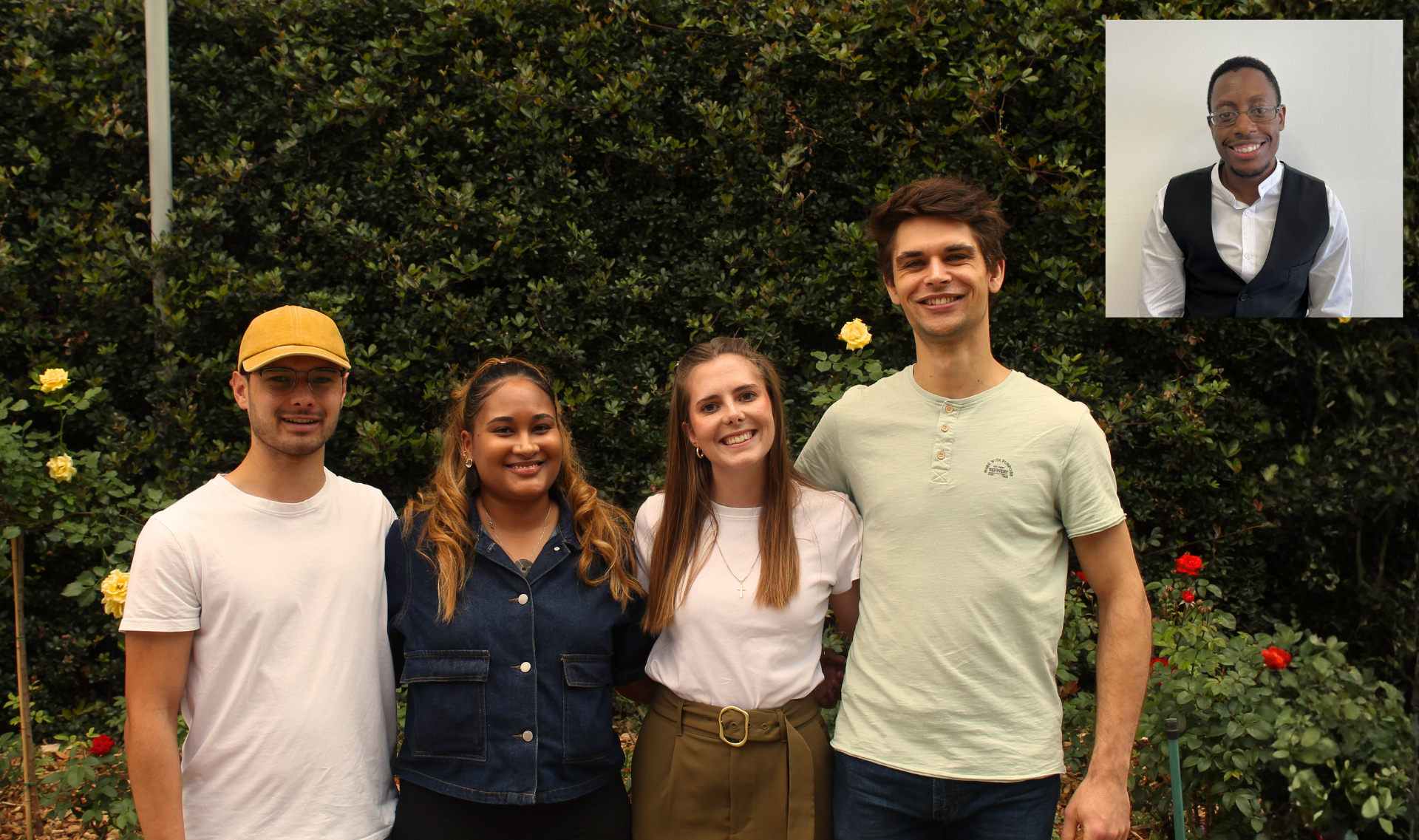
In an exclusive interview with PDBY, the National Tissue Bank (NTB) at the University of Pretoria shared insights into the process and meaning of body donation. Speaking with Kirsten Regan, manager of the NTB and Wet Skills Lab, and Thairone Tucker, one of the NTB’s technical assistants, revealed a world that is clinical, emotional, and deeply human.
How the Process Works
“Body donation will look a little bit different if you compare the processes among different medical institutions, but for the most part, the general process is very similar,” Regan explained.
Registration is encouraged but not required. “People do not have to be registered in order to donate their bodies, but it does simplify the process just a little bit,” she said. Registration involves completing a detailed form that includes personal details, next-of-kin information, medical history if the donor chooses to share it, and cremation preferences. Donors also receive a donor card, much like an organ donor card, to make their wishes known.
Even without prior registration, families can consent to a loved one’s donation. “Once a person has passed, regardless of whether they were registered or not, an informed consent form needs to be signed. This is signed by two family members,” Regan explained. “The reason we require two next-of-kin signatures is because family dynamics can be complicated and we then ask those two family members to basically consent on behalf of the entire family.”
Why People Choose to Donate
“The majority of donors choose to donate because they want to have a tangible impact on the field of medical education or medical research,” Regan said. “It’s their last wish to be able to contribute to something that they see as valuable.”
Others are motivated by practical concerns. “Some people will choose to donate because they see it as easing the financial burden on their family once they’ve passed,” she explained. “Funerals in South Africa are very expensive. Because the NTB covers all of the costs of transport, registration of death, cremation, and things like that, they choose to do it because they feel that it will help their families.”
Inside the Laboratory
Once a body is accepted, the NTB preserves it in a fresh-frozen state. “So once a donated body arrives at our facility, we put it into a [-20°C] freezer where it will be stored up until when we need it,” Tucker said. “When we do need the bodies, we’ll take them out of the freezer for them to thaw. And if needed, we will harvest specimens from them or the body will be used as is for surgical workshops.”
Working with donors is not without its emotional weight. “It can [be] a bit difficult, working so closely with these donors from an emotional perspective, because you can’t help but sort of think what this person was like before they passed and what they did, especially if they have tattoos or painted nails,” Tucker reflected. “It shows a bit of personality that they had and the type of person that they were.”
For medical students, however, the impact of body donation is immense. “In my experience, using fresh specimens enhances the learning experience so much more than working with cadavers or even synthetic cadavers,” Tucker said. “It’s not even comparable because that’s as close as you will get to working with fresh tissue that isn’t on other living people.”
Overcoming Barriers
Regan acknowledged that cultural practices, financial limitations, and a lack of awareness often prevent people from considering donation. “Many cultures in South Africa are wary of body donation and [are] perhaps unwilling to consider it because the process of body donation may not align with funeral processes or grieving processes,” she said. “But I think, for the most part, the greatest barrier is just a lack of education and awareness about body donation.”
She emphasised that every step is strictly governed by law. “Every single thing we do is covered or governed by the National Health Act of 2003 and its subsequent revisions. And this piece of legislation is very unambiguous as to how we can interact with the remains, what we may do with the remains, [and] what procedures need to be followed,” she said.
Looking Ahead
Regan believes that body donation is essential to the growth of South Africa’s medical training. “The more medical students we have coming through the faculty, the more body donors we need to be able to train them. The more surgeons we want to train, the more body donors we need to train them,” she said.
For her, the most important message is that donors and families remain in control. “I want people to feel empowered throughout this process and that is why we stress the importance of specific and explicit informed consent,” she explained. “I also want them to understand that the effects that body donation has on greater medical education is very much tangible. It makes a difference and it really means something to undergraduate students, to postgraduate students, to researchers.”
Tucker echoed the significance. “Especially in South Africa, where we do actually have quite a lot of body donations around the country, it definitely enhances the learning experience compared to other methods. Having that exposure before students become qualified definitely helps them in the long run.”
As Regan put it, “Body donation may feel impersonal and scary, but it is an incredible gift that allows others to learn, to heal, and to save lives. We want people to feel that they can ask us anything, anytime, and know that their generosity will be treated with the utmost respect.”
For more information, contact details, or to register as a body donor, visit the NTB’s official page at www.up.ac.za/the-national-tissue-bank.
